In modern grooming culture, polished nails are often equated with healthy nails. Yet at Hans Kniebes, we distinguish clearly between cosmetic nail care and preventive nail care. While both belong within structured professional nail care, they serve different purposes. One enhances appearance. The other protects long-term nail integrity.
Understanding this distinction is essential for effective nail health maintenance and well-designed nail care routines.
Cosmetic Nail Care: Refining Appearance
Cosmetic nail care focuses on visible refinement. Shaping, smoothing, buffing, and polishing improve surface aesthetics and create a well-groomed look. In professional manicure settings, cosmetic treatments enhance symmetry and presentation.
However, cosmetic nail care operates primarily at the surface level. It addresses:
Nail length and contour
Shine and texture
Immediate visual imperfections
When executed correctly with precision nail instruments, cosmetic care contributes to neatness and confidence. Yet without structural awareness, aggressive buffing or improper trimming may weaken the nail plate over time.
Aesthetic results are immediate. Structural consequences may appear later.
Preventive Nail Care: Protecting Structure
Preventive nail care extends beyond appearance. It focuses on strengthening the nail plate, managing cuticles correctly, and preventing common issues such as splitting, thickening, or ingrown edges.
True nail health maintenance requires:
Controlled trimming techniques
Gentle cuticle management
Proper moisture balance
Avoidance of over-filing
Unlike cosmetic nail care, preventive nail care prioritizes long-term resilience. It ensures that nails remain structurally sound even before polish or surface refinement is applied.
In German-made manicure instruments influenced by Solingen craftsmanship, tools are engineered to support prevention as much as presentation.
Where Nail Care Routines Often Fail
Many daily nail care routines emphasize aesthetics without integrating preventive principles. Common errors include:
Cutting nails with blunt tools
Removing excessive cuticle tissue
Over-polishing the surface
Ignoring early signs of nail brittleness
Such practices compromise nail health maintenance, even if cosmetic results initially appear satisfactory.
Professional nail care requires a system-based approach. Preventive nail care must form the foundation, while cosmetic nail care enhances the outcome.
The Role of Precision Tools in Professional Nail Care
Tools define results. In both cosmetic and preventive nail care, the precision of the instrument directly affects control.
High-quality stainless steel manicure tools allow clean trimming without compressing the nail plate. Fine-tipped cuticle scissors enable accurate removal of excess skin without damaging healthy tissue.
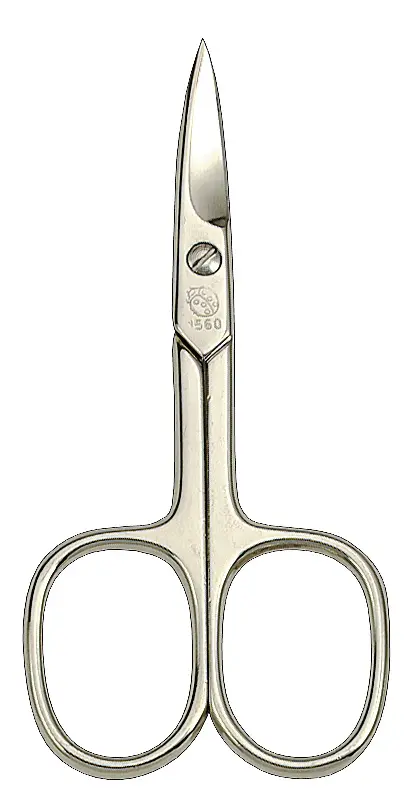
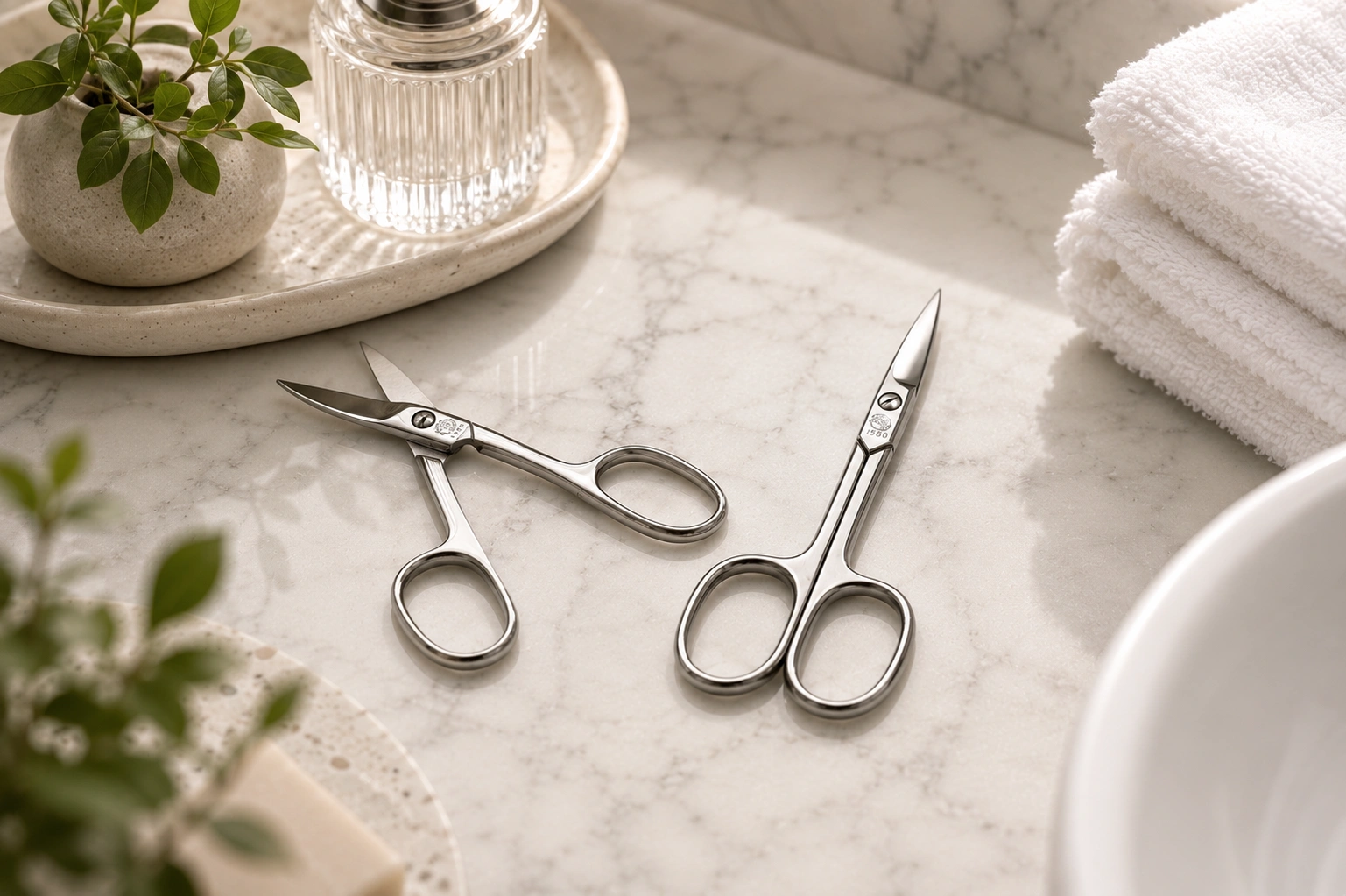
An example of this balance can be found in our precision-engineered nail scissors, crafted from durable stainless steel with calibrated blade alignment, these scissors support controlled nail shaping while minimizing structural stress. The curved geometry allows accurate contour trimming, making them suitable for both cosmetic refinement and preventive nail care within disciplined nail care routines.
Here, cosmetic precision and preventive intention coexist.
Integrating Cosmetic and Preventive Nail Care
The distinction between cosmetic nail care and preventive nail care is not about choosing one over the other. It is about sequence and intention.
Preventive nail care establishes structural stability. Cosmetic nail care refines that structure. When reversed, the results become short-lived.
In professional nail care environments, nail health maintenance begins with evaluating nail thickness, hydration, and cuticle condition. Only after structural integrity is secured should aesthetic enhancement proceed.
German precision instruments are developed with this dual function in mind — to protect first, refine second.
A Structured Approach to Nail Health Maintenance
Effective nail care routines follow a logical progression:
Assess nail strength and hydration
Trim using sharp, properly aligned scissors
Manage cuticles carefully
Smooth edges without excessive abrasion
Apply cosmetic finishes responsibly
This systematic approach ensures that cosmetic nail care enhances rather than undermines preventive nail care.
At Hans Kniebes, our philosophy reflects this balance. Professional nail care is not defined solely by shine or symmetry, but by sustained nail health maintenance achieved through precision tools and disciplined technique. Cosmetic refinement may be visible immediately. Preventive strength reveals its value over time.
When nail care routines integrate both principles, results are not only elegant — they are enduring.
FAQs
1. What is the difference between cosmetic nail care and preventive nail care?
Cosmetic nail care improves appearance through shaping and polishing, while preventive nail care focuses on nail health maintenance and preventing damage.
2. Why is preventive nail care important?
Preventive nail care strengthens the nail structure, reduces splitting, and supports long-term nail health maintenance within regular nail care routines.
3. Can cosmetic nail care damage nails?
Yes, excessive buffing, improper trimming, or aggressive treatments in cosmetic nail care can weaken the nail plate if preventive care is ignored.
4. What does professional nail care include?
Professional nail care combines cosmetic nail care techniques with preventive nail care strategies to maintain both appearance and nail health.
5. How often should nail care routines include preventive steps?
Preventive nail care should be part of every nail care routine to ensure consistent nail health maintenance and reduce future problems.
Related products