Nail clippers are among the most frequently used grooming tools, yet they are also one of the most neglected when it comes to replacement. Many people continue using the same pair for years without realizing that worn tools can damage nails, cause discomfort, or compromise hygiene. Understanding when to replace nail clippers is essential for maintaining healthy, well-groomed nails.
High-quality grooming starts with reliable tools. Even the best nail clippers have a lifespan, and recognizing the warning signs early can prevent unnecessary nail problems.
Why Nail Clippers Don’t Last Forever
Nail clippers rely on precise blade alignment and consistent tension to deliver clean cuts. Over time, repeated pressure, moisture exposure, and daily use gradually wear down these components. As performance declines, clippers begin to crush or tear nails instead of cutting them cleanly.
This doesn’t happen overnight. Most people adjust subconsciously—applying more pressure or trimming more frequently—without realizing that the tool itself is the issue.
Clear Signs Your Nail Clippers Need Replacing
Recognizing worn nail clippers signs early helps protect nail health and prevents unnecessary damage.
One of the first signs is uneven or jagged cuts. If your nails split, fray, or feel rough immediately after trimming, it usually means the blades are no longer sharp or properly aligned.
Another common indicator is increased pressure required to cut. When clippers demand force rather than delivering a smooth cut, they place stress on the nail plate, increasing the risk of cracking or peeling.
You may also notice slipping or misalignment. If the cutting edges don’t meet evenly, nails may bend or tear before being cut. This is particularly problematic for thicker nails or toenails.
Finally, rust, stiffness, or visible wear are clear signals. Corrosion compromises hygiene, while stiff mechanisms reduce control and safety.
Why Using Worn Nail Clippers Is a Problem
Continuing to use worn tools isn’t just inconvenient—it can actively harm your nails. Dull or misaligned nail clippers crush rather than slice, weakening the nail structure over time. This can lead to splitting, uneven growth, and painful hangnails.
Poor cutting also increases the risk of ingrown nails, especially when trimming toenails. From a hygiene perspective, old clippers with micro-damage or corrosion are harder to clean properly, increasing the risk of bacterial buildup.
Replacing clippers at the right time is a simple step that significantly improves both comfort and results.
How Often Should Nail Clippers Be Replaced?
There is no fixed timeline, as frequency depends on usage, nail thickness, and maintenance. However, for regular home use, replacing nail clippers every few years is common—even sooner if signs of wear appear.
Professional or heavy use shortens this lifespan further. What matters more than time is performance. If trimming no longer feels clean, controlled, and effortless, it’s time to upgrade.
Knowing when to replace nail clippers means listening to how the tool behaves, not just how long you’ve owned it.
What to Look for When Upgrading Nail Clippers
When choosing a replacement, focus on construction and precision rather than novelty. The best nail clippers share several characteristics:
High-quality stainless steel for durability and hygiene
Precise blade alignment for clean cuts
Smooth lever action with consistent tension
Comfortable grip for controlled trimming
Well-engineered clippers reduce strain on both the nail and the hand, making routine grooming easier and safer.
A Reliable Upgrade Worth Considering
A strong example of precision-focused design is the
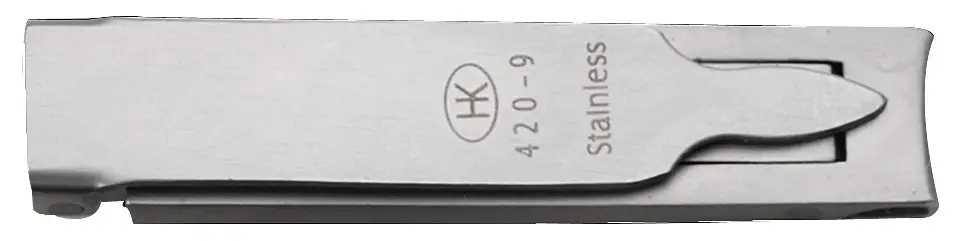
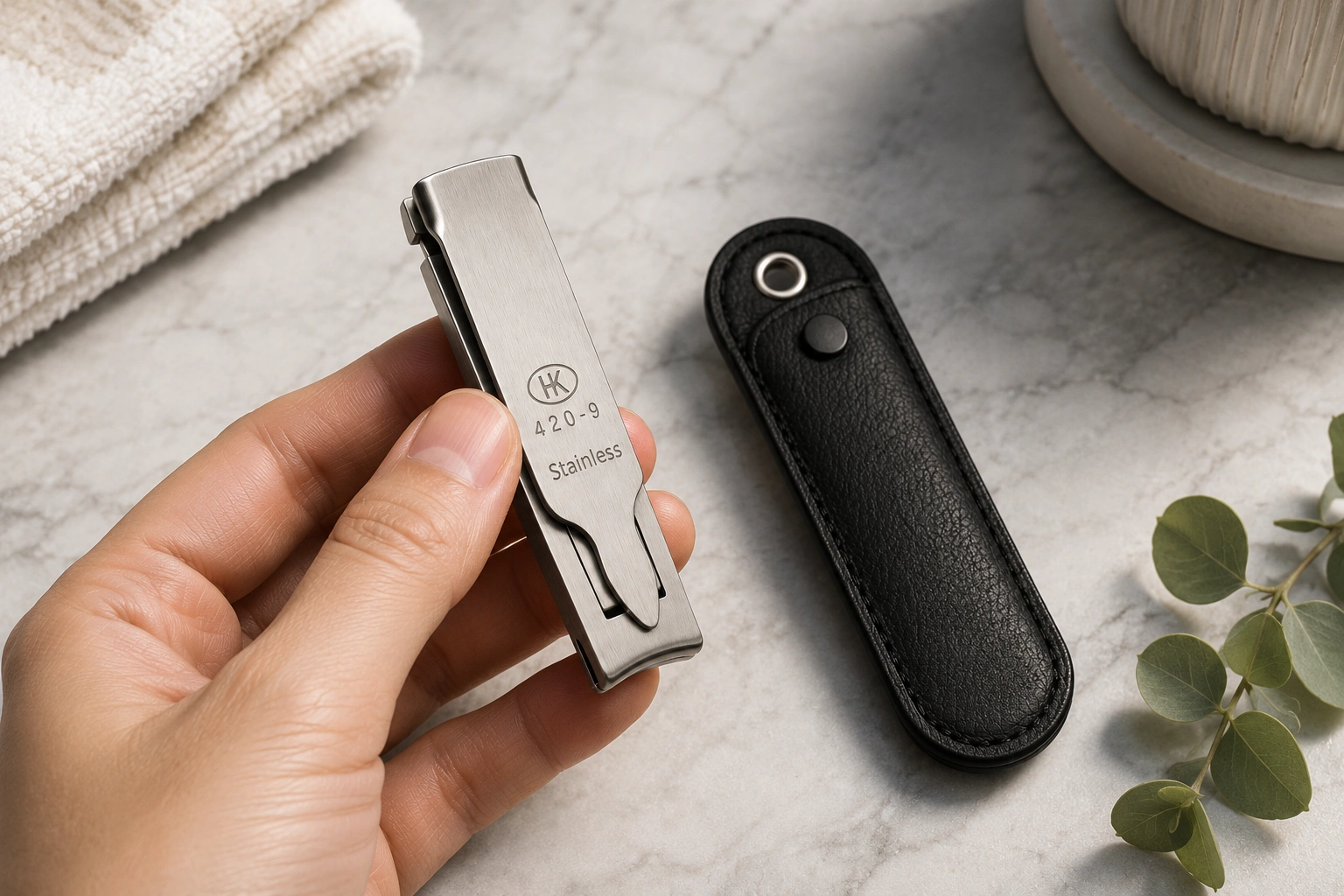
Hans Kniebes Stainless Steel Nail Clipper, crafted from high-grade stainless steel, Hans Kniebes nail clippers are designed to deliver consistent, clean cuts without crushing the nail. Their balanced construction ensures smooth operation, while corrosion-resistant materials support long-term hygiene and durability.
Rather than replacing clippers frequently, investing in a well-made tool restores confidence in daily grooming and supports healthier nail care over time.
Maintaining Nail Clippers to Extend Their Life
While replacement is inevitable, proper care can delay wear. Clean nail clippers after each use, dry them thoroughly, and avoid storing them in damp environments. Occasional lubrication of the joint can also help maintain smooth movement.
That said, maintenance cannot restore blade sharpness indefinitely. Once cutting quality declines, replacement—not repair—is the safer choice.
Final Thoughts
Nail clippers may be small, but their impact on nail health is significant. Recognizing worn nail clippers signs and understanding when to replace nail clippers helps prevent damage, discomfort, and poor results.
The best nail clippers make trimming feel effortless, precise, and safe. When performance fades, upgrading to a high-quality replacement is not an indulgence—it’s a practical step toward better grooming.
With well-crafted tools from Hans Kniebes, nail care returns to what it should be: clean, controlled, and reliable—every time you trim.
FAQs
1. How do I know when to replace nail clippers?
You should replace nail clippers when they produce uneven or jagged cuts, require extra pressure, slip while trimming, or show signs of rust or stiffness. These are clear indicators that the blades are worn.
2. How long do nail clippers usually last?
The lifespan of nail clippers depends on usage and quality. With regular home use, well-made clippers can last several years, but performance—not time—is the best indicator for replacement.
3. Can dull nail clippers damage my nails?
Yes. Dull or misaligned clippers can crush nails instead of cutting them cleanly, leading to splitting, peeling, and increased risk of ingrown nails.
4. What are the most common worn nail clippers signs?
Common worn nail clippers signs include jagged nail edges after trimming, bending of the nail before cutting, visible corrosion, and reduced cutting precision.
5. What should I look for in the best nail clippers?
The best nail clippers are made from stainless steel, offer precise blade alignment, smooth lever action, and a comfortable grip that allows controlled, effortless trimming.