Frequent nail breakage is often treated as a cosmetic inconvenience, yet the condition of the nail plate frequently reflects broader grooming habits and daily routines. Repeated splitting, peeling, or cracking can indicate more than temporary dryness. In many cases, the condition of the nails reveals a combination of lifestyle factors, improper grooming methods, and unsuitable tools.
We approach nail care as part of long-term grooming maintenance rather than occasional correction. The condition of brittle nails is influenced not only by biology, but also by the consistency of grooming routines and the quality of the instruments involved.
Daily Habits Leave Visible Effects on Nails
Nails respond continuously to environmental stress. Frequent hand washing, cleaning products, dry indoor air, and repetitive pressure gradually affect nail flexibility and moisture balance.
Common lifestyle-related damaged nails causes include:
Repeated exposure to water and detergents
Dry climates or low humidity
Excessive use of harsh nail products
Nutritional imbalance
Repetitive physical strain on the nails
Over time, these conditions weaken the keratin layers that form the nail plate. As flexibility decreases, nails become more vulnerable to breakage and splitting.
The appearance of brittle nails often reflects accumulated daily stress rather than isolated damage.
Tool Quality Influences Nail Condition
Even healthy nails may begin to weaken when trimmed with unsuitable grooming instruments. Dull blades, poor alignment, or excessive cutting pressure create unnecessary stress during nail care routines.
Low-quality nail care tools may:
Compress the nail plate before cutting
Produce uneven edges
Encourage peeling at the free edge
Create microscopic fractures
In contrast, properly crafted manicure instruments support cleaner trimming and smoother shaping.
At Hans Kniebes, our grooming tools are developed to minimize unnecessary stress on the nail structure through durable materials and balanced cutting performance.
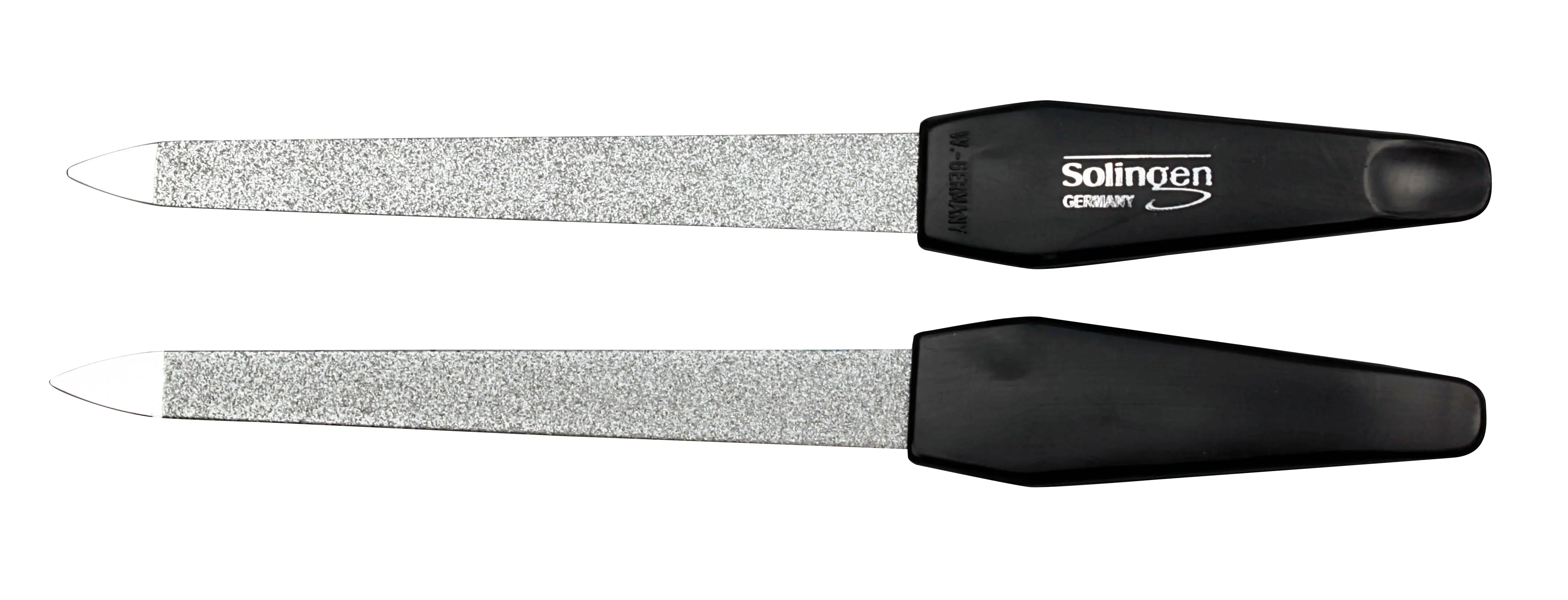
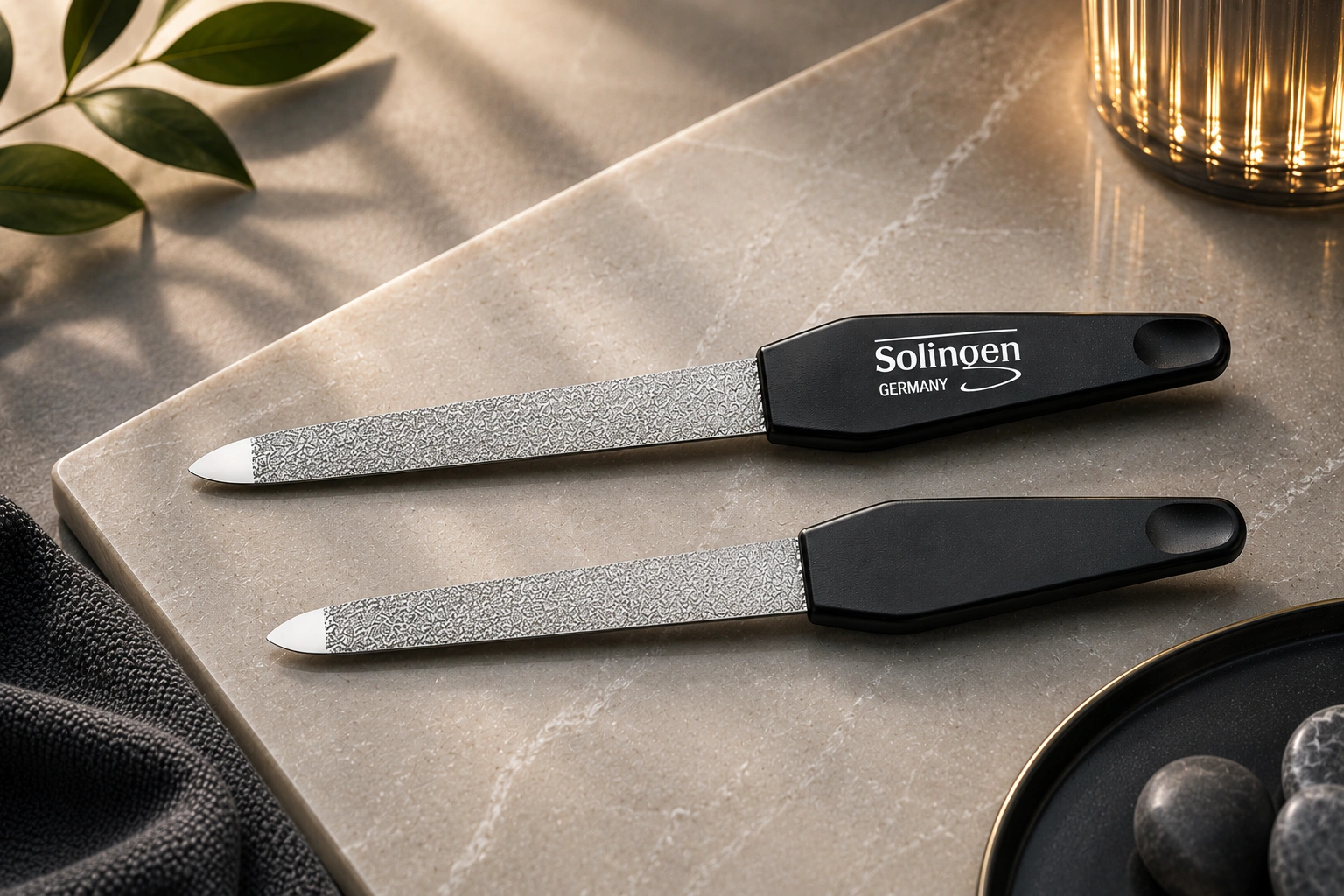
One example is our sapphire nail file.
Designed for controlled shaping and gradual edge refinement, this file supports gentle nail maintenance while helping reduce rough edges that can contribute to nail breakage. Its durable sapphire-coated surface provides consistent abrasion suitable for regular nail strengthening care routines.
Controlled shaping often reduces the likelihood of further splitting.
Technique Shapes Long-Term Nail Health
Grooming technique influences nails just as strongly as tool quality. Aggressive filing, over-trimming, or cutting nails too short can weaken the nail structure over time.
A more balanced grooming approach generally includes:
Gradual trimming rather than abrupt cutting
Filing in controlled directions
Avoiding excessive surface buffing
Maintaining moderate nail length
These habits help preserve flexibility and reduce stress at vulnerable points along the nail edge.
In many cases, recurring nail breakage is connected less to the nail itself and more to repetitive grooming habits.
Moisture Balance and Nail Strength
Healthy nails require a balance between flexibility and firmness. Nails that become excessively dry tend to crack more easily, while overly softened nails may bend or peel.
Consistent nail strengthening care focuses on preserving this balance rather than hardening the nails excessively. Gentle grooming routines, moderate hydration, and reduced chemical exposure often contribute to improved nail resilience over time.
The condition of the cuticle area also plays a role. Healthy cuticles help protect the growing nail structure and support stronger nail formation.
Structural Stress and Repetitive Damage
Frequent nail breakage rarely develops from a single event. More commonly, repeated minor stress weakens the nail plate gradually until visible cracking appears.
This cumulative stress may come from:
Mechanical pressure during daily tasks
Improper grooming methods
Repeated exposure to moisture changes
Poor-quality grooming instruments
The combination of these factors explains why damaged nails often persist even when temporary cosmetic treatments are applied.
Long-term improvement usually requires adjustments in routine rather than isolated repair products.
Grooming Habits That Support Stronger Nails
Reliable nail maintenance depends on consistency. Well-made nail care tools, controlled grooming techniques, and balanced daily habits work together to reduce structural stress on the nail plate.
At Hans Kniebes, we believe nail care should support durability as much as appearance. Through carefully crafted grooming instruments and thoughtful maintenance routines, it becomes possible to reduce nail breakage while improving long-term nail condition.
Healthy nails rarely result from aggressive correction. More often, they reflect steady routines, balanced care, and tools designed to work with the natural structure of the nail rather than against it.
FAQs
1. What are the most common causes of nail breakage?
Common damaged nails causes dryness, excessive water exposure, poor grooming habits, harsh chemicals, and low-quality nail care tools.
2. Can brittle nails be improved with better grooming tools?
Yes, high-quality nail care tools help reduce splitting and uneven trimming, supporting healthier nails over time.
3. Does frequent filing weaken nails?
Aggressive or improper filing can contribute to nail breakage, especially when nails are already dry or brittle.
4. What helps with nail strengthening care?
Consistent nail strengthening care includes gentle trimming, controlled filing, hydration, and reducing unnecessary stress on the nail plate.
5. Are brittle nails caused only by nutrition?
No, brittle nails can also result from environmental exposure, grooming techniques, repeated moisture changes, and improper nail maintenance routines.
Related products