
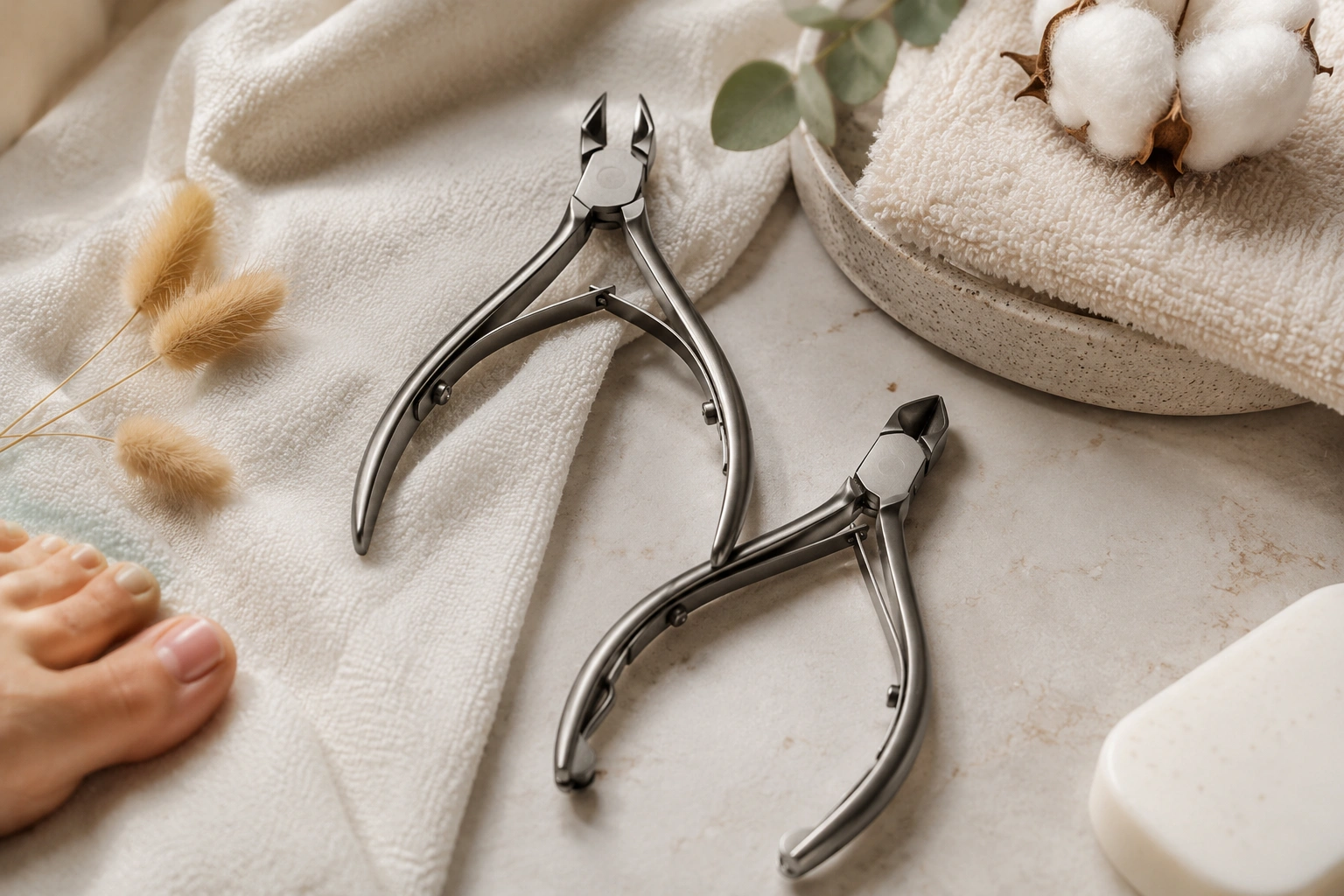
Foot care requires extra attention when skin sensitivity or medical conditions like diabetes are involved. What may be a simple grooming routine for some can pose real risks for others if the wrong tools or techniques are used. This is why choosing the right pedicure tools for diabetics and sensitive skin is not about preference—it’s about protection.
A thoughtful approach to foot care prioritizes precision, hygiene, and control. With the right safe pedicure instruments, regular maintenance can remain both effective and gentle.
Why Diabetic and Sensitive Skin Foot Care Is Different
Diabetic skin and sensitive feet are more vulnerable to injury, infection, and delayed healing. Reduced sensation, thinner skin, and circulation challenges mean even minor cuts can become serious issues if handled improperly.
For this reason, diabetic foot care tools are designed to minimize risk. They focus on controlled cutting, smooth contact with the skin, and predictable performance. The goal is not aggressive removal, but gradual refinement that respects the skin’s limits.
Precision Over Pressure: The Core Principle
One of the most important rules in sensitive foot care is avoiding force. Excess pressure increases the risk of cuts and irritation, especially when trimming thickened nails or hardened areas.
Sensitive skin foot care tools are engineered to work with light, deliberate movements. Sharp, well-aligned blades reduce the need for pressure, allowing safer and more controlled results. This principle is central to professional podiatric care and should guide any at-home routine.
What Makes a Pedicure Tool Safe for Diabetics
Not all pedicure tools are suitable for diabetic use. Tools designed for general grooming may be too aggressive or imprecise. Safe pedicure instruments for diabetics share several important characteristics:
They are made from high-quality stainless steel for hygiene and easy cleaning. Cutting edges are finely finished to avoid tearing or snagging. Designs emphasize stability and balance to support controlled handling.
Most importantly, these tools are created to remove material gradually, reducing the risk of accidental injury.
Why German Engineering Matters in Diabetic Foot Care
When safety is non-negotiable, craftsmanship matters. German-made diabetic foot care tools are widely respected for their precision and durability, particularly those produced in Solingen—a city long associated with high-quality cutting instruments.
At Hans Kniebes, this tradition of precision is applied thoughtfully to foot care instruments. Tools are developed with an understanding of medical sensitivity, ensuring that design choices support calm, controlled use rather than speed.
A Tool Designed for Medical-Sensitive Foot Care
A strong example of this approach is the
Hans Kniebes Diabetic Head Cutter – 115 mm, Stainless Steel.
This tool is specifically designed for pedicure tools for diabetics, offering precise cutting without aggressive force. The head cutter design allows controlled trimming of thick or difficult nails, while the stainless steel construction supports hygiene and long-term reliability.
Rather than encouraging speed, the tool promotes careful handling—an essential quality when caring for sensitive or diabetic feet.
Hygiene Is Not Optional—It’s Essential
For diabetic and sensitive skin types, hygiene plays a central role in preventing complications. Tools must be easy to clean and resistant to corrosion. Any residue or moisture left on instruments increases the risk of bacterial growth.
Proper diabetic foot care tools should be cleaned thoroughly after each use, dried completely, and stored in a clean, dry case. These practices protect both the tool and the skin it touches.
Why Minimalism Improves Safety
Using too many tools often leads to unnecessary manipulation of the skin. For sensitive feet, fewer well-chosen instruments are safer than an overloaded kit.
A focused selection of safe pedicure instruments—designed specifically for delicate conditions—reduces the chance of mistakes and supports consistency. This minimalist approach mirrors professional medical foot care, where restraint is valued over excess.
Building a Safer Pedicure Routine at Home
A safe routine begins with preparation. Softening the feet, working in good lighting, and using slow, controlled movements all reduce risk. Tools should guide the process, not rush it.
When paired with high-quality instruments, this approach makes at-home care calmer and more reliable, even for those with heightened sensitivity.
Final Perspective
Foot care for diabetics and sensitive skin types demands respect for the body’s limits. Choosing the right pedicure tools for diabetics and practicing restraint transforms grooming from a risk into a supportive routine.
With precision-focused German diabetic foot care tools from Hans Kniebes, safety and effectiveness can coexist. Thoughtfully designed instruments allow essential care to be performed with confidence—supporting healthier feet without unnecessary risk.
FAQs
1. What pedicure tools are safe for diabetics to use?
Pedicure tools for diabetics should be made from high-quality stainless steel, offer precise cutting without aggressive force, and be easy to clean. Tools designed specifically for diabetic foot care reduce the risk of cuts and irritation.
2. Why do diabetics need special foot care tools?
Diabetics often have sensitive skin and reduced sensation, making them more vulnerable to injury. Diabetic foot care tools are designed to provide better control and safer trimming to help prevent complications.
3. Can people with sensitive skin use professional pedicure instruments at home?
Yes. Sensitive skin foot care tools can be safely used at home when proper technique, light pressure, and hygiene practices are followed.
4. How often should diabetic foot care tools be used?
Foot care for diabetics should be done carefully and only when needed. Overuse of pedicure tools can irritate the skin, so gradual, occasional care is recommended.
5. How should pedicure tools for diabetics be cleaned and stored?
Clean tools thoroughly after each use, dry them completely, and store them in a dry, hygienic case. Proper care helps keep safe pedicure instruments reliable and hygienic over time.
