A high-quality shaving brush is more than a grooming accessory — it is a timeless tool that elevates your shaving experience, turning a daily routine into a refined ritual. Whether you prefer a luxurious badger hair shaving brush or a modern synthetic option, proper care ensures that your brush remains hygienic, soft, and long-lasting. At Hans Kniebes, we have spent decades perfecting grooming tools that combine German craftsmanship with exceptional durability, and caring for them correctly allows you to experience their full potential.
Understanding the fundamentals of shaving brush care helps preserve the shape of the bristles, prevent unwanted odors, and prolong the life of your brush — making every shave smoother, cleaner, and more enjoyable.
Why Shaving Brush Maintenance Matters
Your shaving brush comes into contact with water, shaving soap, and skin oils daily. Without proper maintenance, buildup can occur at the base of the knot, causing stiffness, unpleasant smells, and even bacterial accumulation. Caring for your brush:
Improves hygiene
Preserves softness of the bristles
Ensures optimal lathering performance
Prevents shedding
Extends the lifespan of your brush
Whether you are using a synthetic brush or a badger hair shaving brush, consistent maintenance allows the bristles to stay soft, responsive, and effective.
Daily Shaving Brush Care Routine
Good shaving brush hygiene starts with daily habits — simple steps that protect your brush after every use.
1. Rinse Thoroughly
After shaving, rinse your brush under warm water to remove all traces of soap and lather. Pay special attention to the base of the knot, where residue tends to accumulate.
2. Shake Out Excess Water
Gently shake the brush to remove as much water as possible. Avoid aggressive shaking that could loosen the knot or stress the handle.
3. Pat Dry — Don’t Rub
Use a clean towel to blot the tips. Rubbing can cause fraying and weaken natural hair bristles over time.
4. Let It Dry Bristles-Down
Drying is crucial for shaving brush longevity. Store the brush on a stand, bristles facing downward, to allow moisture to escape and prevent mildew or odor.
Deep Cleaning: How to Clean a Shaving Brush Properly
Even with daily rinsing, a deeper cleaning is necessary every 2–4 weeks. This keeps the brush free from soap scum, oils, and mineral buildup.
1. Warm Water & Mild Soap Soak
Fill a bowl with warm water and add a mild liquid soap or gentle shampoo. Submerge the bristles (not the handle) for about 10 minutes to loosen buildup.
2. Light Massage
Gently massage the bristles with your fingers to release trapped residue. Be careful not to bend or twist the knot.
3. Rinse Thoroughly
Rinse under warm water until the water runs completely clear.
4. Optional Vinegar Rinse
A diluted vinegar rinse (1 part vinegar, 4 parts water) eliminates mineral buildup and restores softness — especially helpful for badger hair shaving brush maintenance.
5. Dry Properly
Shake out excess water and place the brush bristles-down on a stand. Allow it to air dry fully before storing.
A Fine Example of German Craftsmanship
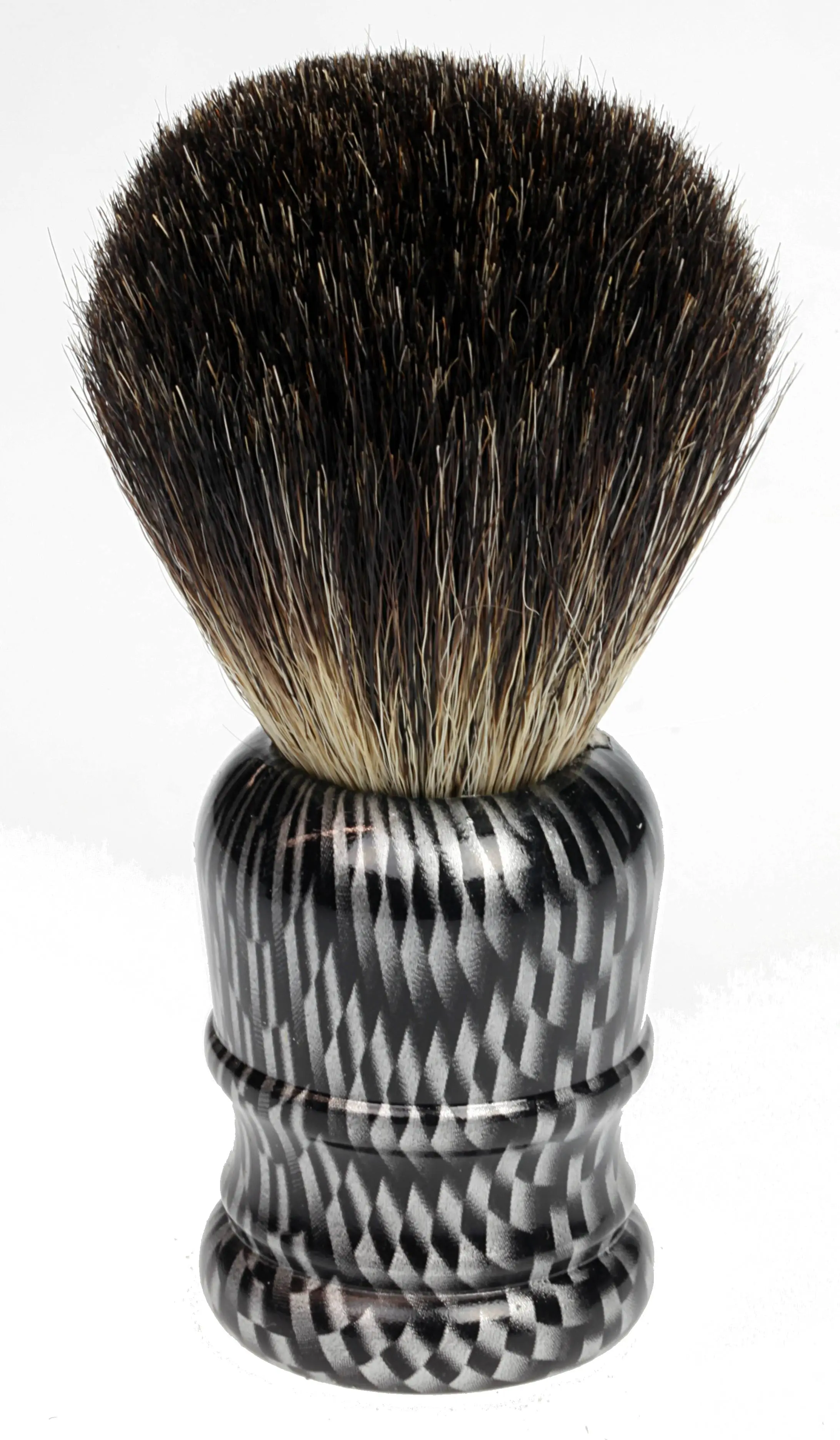
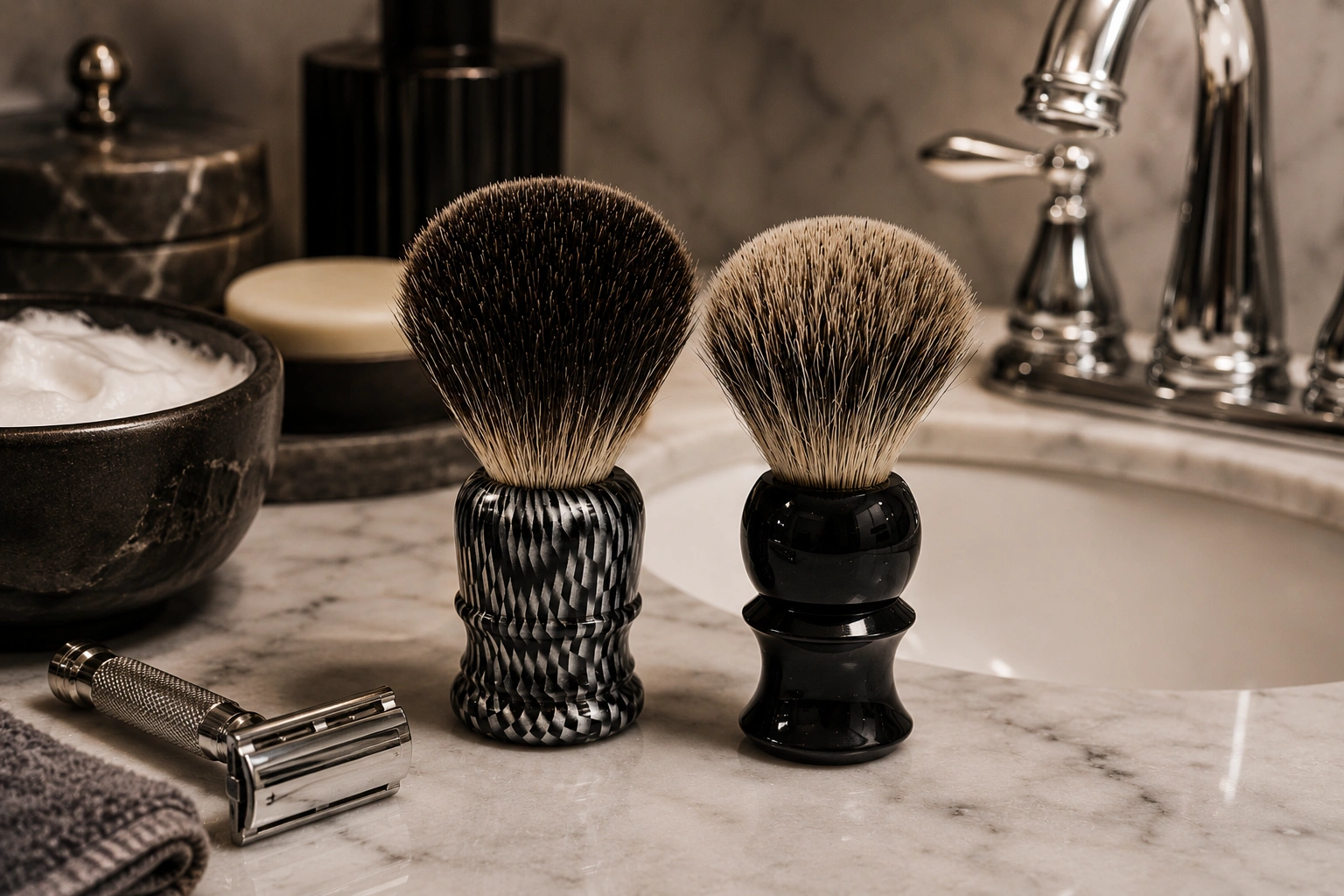
For those looking to invest in a premium grooming tool, ourHans Kniebes Badger Hair Shaving Brush – Carbon-Optic Handle reflects decades of expertise. Crafted with genuine badger hair, the brush offers remarkable water absorption, rich lathering ability, and exceptional softness against the skin. The carbon-optic handle combines modern design with classic technique, making it a refined addition to any grooming routine.
Proper maintenance keeps this brush performing beautifully for years, allowing you to enjoy the luxurious lather and gentle exfoliation that only a finely crafted brush can deliver.
Common Mistakes to Avoid in Shaving Brush Care
Even the best shaving brush can deteriorate if handled improperly. Avoid these common mistakes:
1. Using Hot Water
Extremely hot water weakens natural bristles and damages the glue holding the knot together. Warm water is always best.
2. Storing Before Fully Dry
Storing a damp brush in an enclosed space can cause mold, odors, and premature shedding.
3. Pressing Too Hard While Lathering
Excess pressure can break bristles and deform the knot. Use light, circular movements.
4. Using Harsh Cleaners
Bleach, strong detergents, or alcohol-based products strip the bristles of natural oils and reduce softness.
5. Leaving Soap in the Knot
Failing to rinse completely shortens the life of your brush and reduces its lathering ability.
Maximizing the Life of Your Shaving Brush
With proper care, a high-quality shaving brush can last for many years. To ensure longevity:
Rotate between brushes if you shave daily
Use a brush stand to support proper drying
Clean deeply at least once a month
Treat natural hair brushes gently, avoiding aggressive handling
Keep brushes in well-ventilated areas
Your brush is an investment — treating it with care preserves both its performance and beauty.
Final Thoughts
A shaving brush is more than a tool; it is a daily companion in your grooming ritual. With the right shaving brush care practices, you can enjoy luxurious lather, soft bristles, and impeccable hygiene for years. Whether you prefer synthetic bristles or a traditional badger hair shaving brush, proper maintenance ensures that your grooming routine remains refined, comfortable, and effective.
At Hans Kniebes, our commitment to quality and craftsmanship shines in every brush we create. By caring for your shaving brush thoughtfully, you enhance not only the product’s lifespan but your entire shaving experience.
FAQs
1. How often should I clean my shaving brush?
You should rinse your shaving brush thoroughly after every shave and perform a deeper cleaning every 2–4 weeks. Regular cleaning removes soap residue, skin oils, and buildup, helping maintain softness and hygiene.
2. What is the correct way to dry a shaving brush?
After rinsing, gently shake out excess water, blot the tips with a towel, and dry the brush bristles-down on a stand. This prevents moisture buildup at the knot, reducing the risk of mildew and extending brush life.
3. How do I clean a badger hair shaving brush without damaging it?
Use warm (not hot) water with a mild soap or shampoo. Gently massage the bristles and rinse thoroughly. For deeper maintenance, a diluted vinegar rinse helps remove mineral deposits and restore softness.
4. Why does my shaving brush start to smell?
Odor usually comes from trapped moisture or leftover soap in the knot. Ensuring proper rinsing and complete drying prevents unpleasant smells and keeps your shaving brush hygienic.
5. Can I use boiling or very hot water to clean my shaving brush?
No. Hot water weakens natural bristles and loosens the adhesive in the knot. Always use warm water to maintain the integrity and longevity of your shaving brush.
Related products