In daily grooming, the distinction between a hair comb and a hair brush is often overlooked. Both are considered essential hair care tools, yet they serve different mechanical purposes. The discussion of combs vs brushes is not about preference, but about function.
At Hans Kniebes, we approach grooming tool comparison through structural understanding. Hair density, texture, and styling intention determine whether a comb or brush delivers better results. Precision grooming begins with selecting the correct instrument for the task.
The Mechanical Role of a Hair Comb
A hair comb operates through separation and alignment. Its teeth glide between strands, detangling without excessive surface pressure. Wide-tooth combs are particularly effective on wet or thick hair, where minimizing tension reduces breakage.
In grooming tool comparison, combs provide:
Controlled detangling
Sectioning precision
Defined parting lines
Reduced static when crafted from natural materials
Unlike brushes, combs do not distribute oils evenly across the scalp. Their strength lies in structure rather than diffusion.
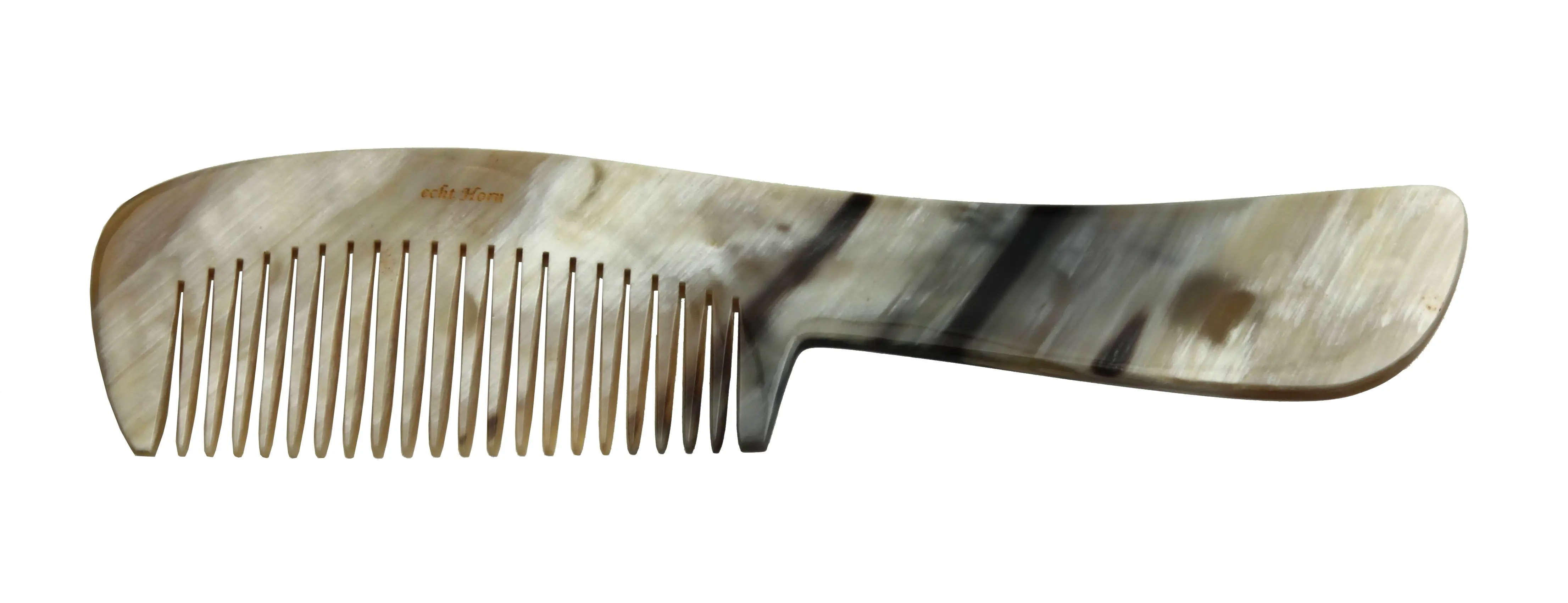
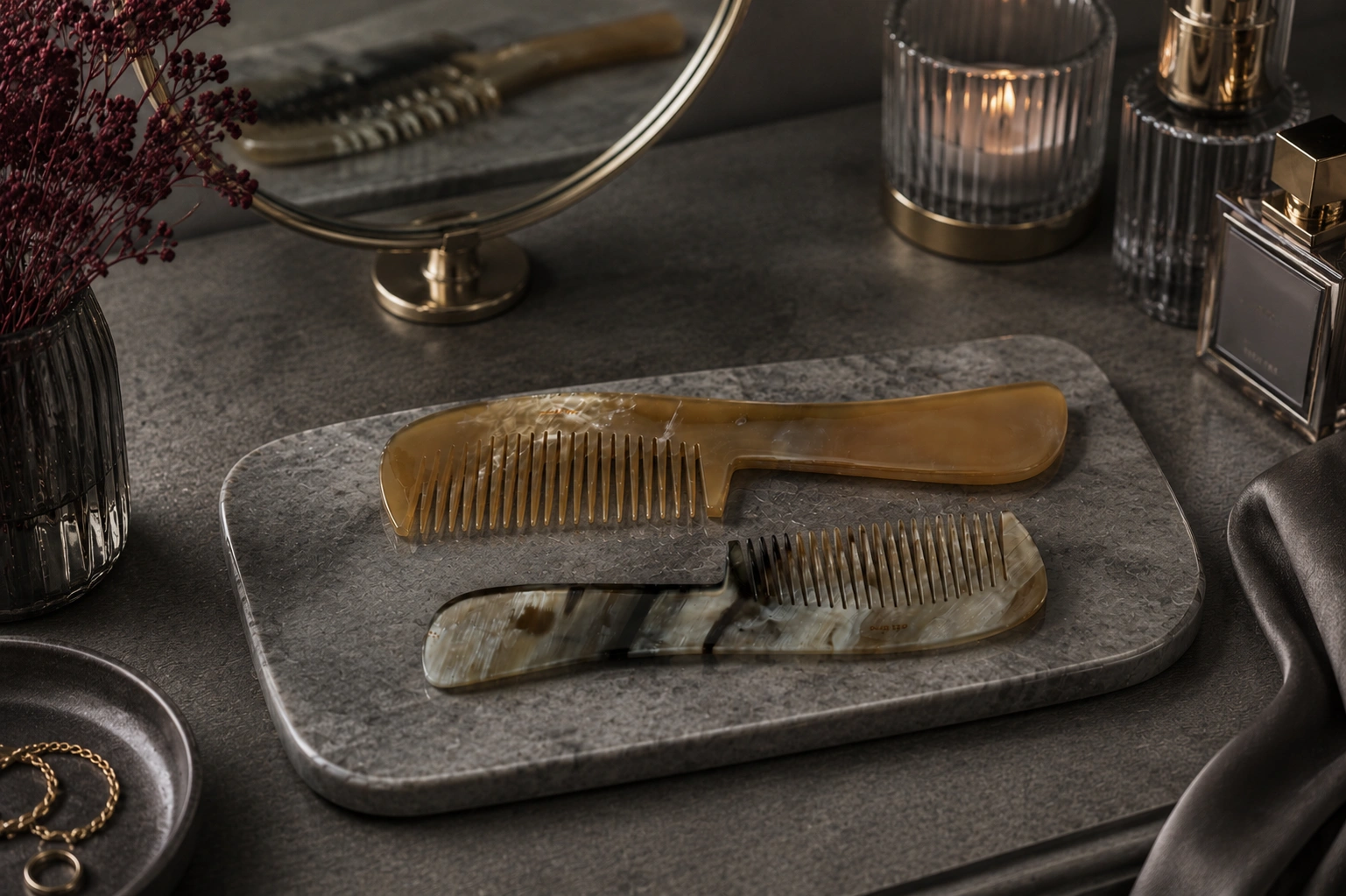
High-quality combs, particularly those made from genuine horn or precision-molded materials, minimize friction. Natural horn combs adapt subtly to hair structure and help reduce static buildup, enhancing smoothness.
The Functional Purpose of a Hair Brush
A hair brush interacts differently with the hair shaft. Bristles contact multiple strands simultaneously, distributing natural oils from scalp to tip. This contributes to shine and smoothness.
Brushes are particularly suited for:
Smoothing longer hair
Adding volume
Finishing styles
Enhancing natural gloss
In the broader context of hair care tools, brushes promote surface refinement. They apply broader tension, making them ideal for controlled styling rather than detailed separation.
However, when used on very wet or highly tangled hair, brushes may increase breakage. Understanding when to choose a comb instead is essential for preserving hair health.
Combs vs Brushes: A Functional Grooming Tool Comparison
When evaluating combs vs brushes, the distinction centers on pressure distribution.
A hair comb isolates strands, minimizing stress.
A hair brush distributes force across a wider surface area.
For thick, curly, or wet hair, a comb offers better detangling control. For dry styling and smoothing, a brush provides polish.
This grooming tool comparison highlights that no instrument replaces the other. Instead, they complement each other within a structured hair care routine.
German-made grooming tools emphasize purpose-built design. Each instrument is crafted for defined performance outcomes, rather than generalized use.
Material Matters in Hair Care Tools
The effectiveness of both combs and brushes depends on material quality. Low-grade plastics can generate static and uneven tension. Natural materials such as horn offer smoother gliding properties and reduced friction.
At Hans Kniebes, material selection reflects our broader commitment to Solingen craftsmanship and German engineering precision. Our grooming tools are developed not only for aesthetic refinement but for structural performance.
An example is our large genuine horn hair comb, crafted from authentic horn, this comb offers exceptionally smooth teeth that glide gently through the hair while minimizing static charge. The ergonomic handle ensures controlled movement, making it suitable for precise detangling and refined daily grooming within a balanced hair care routine.
Here, the choice of material enhances function.
When to Use Which: Practical Guidance
Use a hair comb when:
Detangling wet or thick hair
Creating precise parts
Reducing mechanical stress
Use a hair brush when:
Smoothing dry hair
Enhancing shine
Finishing styled looks
Understanding combs vs brushes is about respecting hair structure. Selecting the correct hair care tools prevents unnecessary strain and preserves natural texture.
Precision in Everyday Grooming
Hair care is not defined by complexity, but by intentional choices. A thoughtful grooming tool comparison reveals that each instrument fulfills a distinct mechanical role.
At Hans Kniebes, we design hair combs and other grooming tools with functional clarity. Whether detangling with a genuine horn comb or smoothing with a quality brush, precision begins with using the right tool at the right time.
In the debate of combs vs brushes, the answer is not either-or. It is knowing when each serves its purpose best.
FAQs
1. What is the difference between a hair comb and a hair brush?
A hair comb detangles and separates strands with precision, while a hair brush smooths, distributes natural oils, and adds volume.
2. Is a comb or brush better for wet hair?
A hair comb, especially a wide-tooth comb, is better for wet hair as it reduces breakage and minimizes tension.
3. Do brushes damage hair more than combs?
Hair brushes can cause more stress on tangled or wet hair, whereas a comb provides more controlled detangling.
4. Are horn combs better for hair?
Yes, genuine horn combs reduce static and glide smoothly, making them a premium choice among hair care tools.
5. Should I use both a comb and a brush in my routine?
Yes, combining both allows for effective detangling, smoothing, and overall balanced hair care.