In high-quality grooming instruments, the cutting edge defines performance. Whether used for nail trimming, cuticle care, or general grooming, the blade determines how cleanly and safely a tool performs its task. Yet many users face a common question: should scissors be maintained carefully over time, or replaced once performance begins to decline?
At Hans Kniebes, we approach this question through a balanced philosophy that combines responsible blade maintenance with informed replacement when necessary. Understanding how to care for grooming blades not only improves performance but also extends the lifespan of professional manicure tools.
Understanding Blade Maintenance in Grooming Tools
Regular blade maintenance helps preserve cutting efficiency and protect the structural integrity of grooming instruments. For manicure scissors and similar tools, proper care prevents premature dulling and maintains smooth operation.
Effective scissors blade care includes several simple practices:
Cleaning blades after each use
Removing moisture before storage
Keeping pivot areas free from debris
Storing tools in protective cases
These habits support overall cutting tool maintenance and help maintain consistent cutting performance over long periods of use.
In high-grade stainless steel scissors, maintenance protects the fine cutting edges that allow controlled trimming of nails and cuticles.
When Blade Maintenance Is Enough
Well-made manicure scissors are designed for durability. With proper manicure scissors maintenance, they can remain effective for years. Many grooming tools benefit from periodic sharpening or professional servicing rather than immediate replacement.
Signs that maintenance can restore performance include:
Slight reduction in cutting smoothness
Minor resistance during use
Accumulated debris affecting blade movement
In these cases, cleaning, lubrication of the pivot screw, or professional sharpening often restores optimal cutting performance.
This approach reflects the philosophy of long-term cutting tool maintenance — preserving well-crafted instruments instead of discarding them prematurely.
When Blade Replacement Becomes Necessary
Despite careful maintenance, there are situations where replacement is the more practical solution. Severe blade damage or structural wear may compromise the tool’s effectiveness.
A blade replacement guide typically considers replacement when:
Blades are visibly chipped or bent
Repeated sharpening has altered blade geometry
Cutting edges no longer meet evenly
Corrosion affects the blade surface
When these issues appear, continued maintenance may not restore proper function. Replacing the instrument ensures safe and efficient grooming.
This balance between care and replacement reflects a responsible approach to tool ownership.
Choosing High-Quality Grooming Instruments
The need for replacement often depends on the quality of the original instrument. Well-engineered grooming tools maintain their cutting performance far longer when supported by regular maintenance.
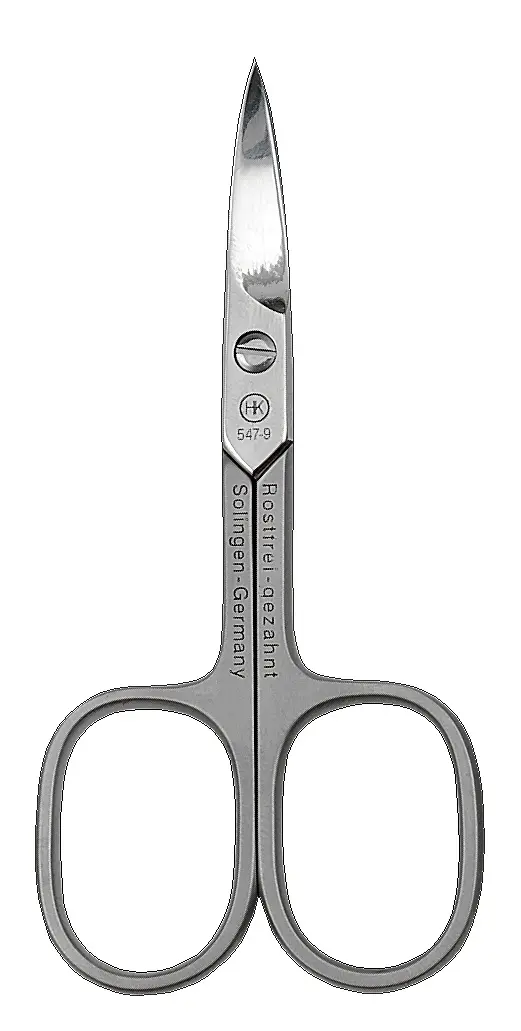
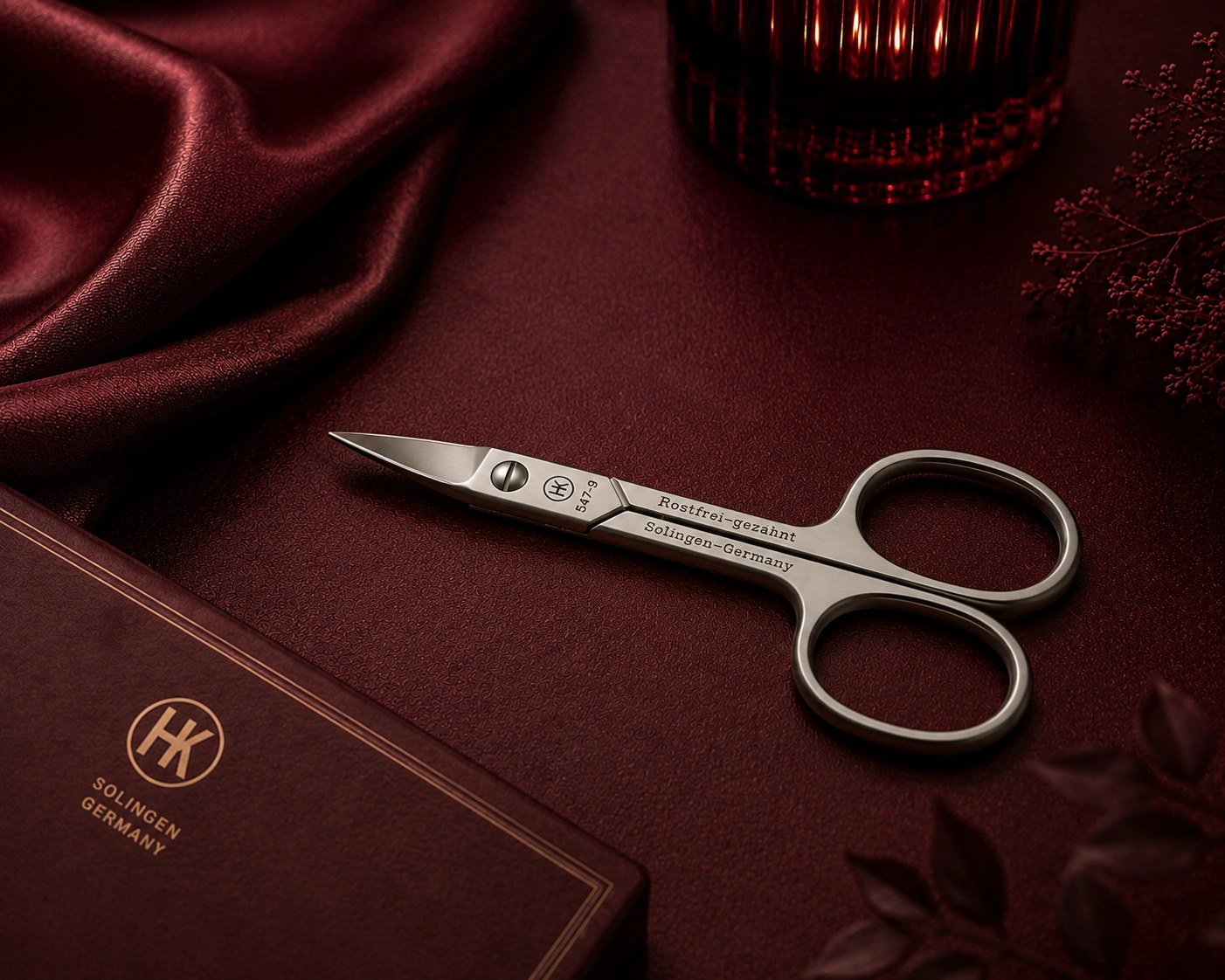
An example of this philosophy can be seen in our curved stainless steel nail scissors, crafted from durable stainless steel with carefully aligned blades, these scissors are designed for reliable long-term use when supported by consistent manicure scissors maintenance. The curved blade structure supports accurate nail shaping while maintaining stable cutting contact across the edge.
Here, durability and maintainability work together to extend the tool’s useful lifespan.
The Role of Storage in Blade Longevity
Proper storage plays a significant role in scissors blade care. Even high-quality blades can dull quickly if they contact other metal tools or remain exposed to humidity.
Effective cutting tool maintenance includes storing grooming instruments in structured cases or dedicated compartments. This prevents accidental collisions that can damage blade edges.
Dry environments also protect stainless steel surfaces and pivot mechanisms, reducing corrosion risk.
These small habits greatly extend the life of manicure scissors and similar grooming tools.
A Balanced Philosophy of Care and Replacement
The relationship between blade maintenance and replacement is not an either-or decision. Responsible grooming tool care recognizes the value of both approaches.
Maintenance protects tools, preserves cutting performance, and respects the craftsmanship invested in well-made instruments. Replacement, on the other hand, ensures safety and reliability when structural wear can no longer be corrected.
At Hans Kniebes, our philosophy is simple: care for tools thoughtfully, maintain blades consistently, and replace instruments only when their function can no longer be restored.
When supported by good scissors blade care and practical cutting tool maintenance, high-quality grooming tools can deliver dependable performance for many years.
FAQs
1. How often should manicure scissors blades be maintained?
Regular blade maintenance should be done after each use by cleaning and drying the scissors, while professional sharpening may be needed after extended use.
2. What is the best way to care for scissors blades?
Proper scissors blade care includes cleaning the blades, keeping the pivot area dry, storing the tool in a protective case, and avoiding contact with other metal tools.
3. When should grooming scissors be replaced instead of maintained?
Following a blade replacement guide, scissors should be replaced when blades are chipped, bent, heavily corroded, or no longer align properly after sharpening.
4. Does proper maintenance extend the life of manicure scissors?
Yes, consistent manicure scissors maintenance helps maintain cutting efficiency, protects blade edges, and significantly extends tool lifespan.
5. Why is cutting tool maintenance important for grooming tools?
Cutting tool maintenance preserves blade sharpness, ensures safe trimming, and keeps grooming instruments performing reliably over time.