Healthy nails rarely come from chance. They are the result of small, consistent habits—many of which people unknowingly get wrong. While nail problems like splitting, rough edges, or weak growth are often blamed on genetics, the real cause is usually a handful of overlooked nail care mistakes repeated over time.
A truly effective proper nail care routine isn’t about doing more. It’s about doing a few things correctly—and avoiding the habits that quietly undo your efforts.
Mistake: Rushing Nail Care Instead of Treating It as Maintenance
One of the most common mistakes is treating nail care as a quick fix rather than routine maintenance. Trimming or filing only when a nail breaks often leads to uneven lengths and stress on the nail plate.
How to fix it:
Shift your mindset from repair to prevention. Regular, light grooming keeps nails stable and reduces the need for aggressive trimming later. This approach is a cornerstone of professional nail care and a key principle in any healthy nails guide.
Mistake: Filing for Speed Instead of Structure
Many people file with speed in mind—fast strokes, heavy pressure, back-and-forth motion. While this feels efficient, it weakens the nail’s layered structure and causes peeling.
How to fix it:
Controlled, one-directional filing preserves nail integrity. It may feel slower, but it creates smoother edges that resist splitting. This technique is one of the most effective nail grooming tips for long-term nail strength.
Mistake: Treating Cuticles as Disposable Skin
Cuticles are often cut away aggressively in the name of neatness. In reality, they play a vital role in protecting the nail root from bacteria and irritation.
How to fix it:
Professional nail care focuses on softening and gently guiding cuticles back—never forcing removal. Respecting this protective layer improves nail health and reduces sensitivity, especially over time.
Mistake: Overloading Nails with Water and Products
It’s a lesser-known fact that nails absorb water more readily than skin. Excessive soaking or frequent exposure to moisture causes nails to swell and contract, leading to brittleness.
How to fix it:
Limit prolonged water exposure and dry hands thoroughly. Follow up with light hydration rather than heavy product layering. Balance—not excess—is essential in a proper nail care routine.
Mistake: Using Tools That Work Against You
When nails tear, bend, or feel rough after grooming, the issue is often blamed on nails themselves. In many cases, the real culprit is poor-quality or worn tools.
Low-grade tools require more force, offer less control, and increase the likelihood of uneven cuts. Over time, this creates repeated micro-damage that weakens nails.
How to fix it:
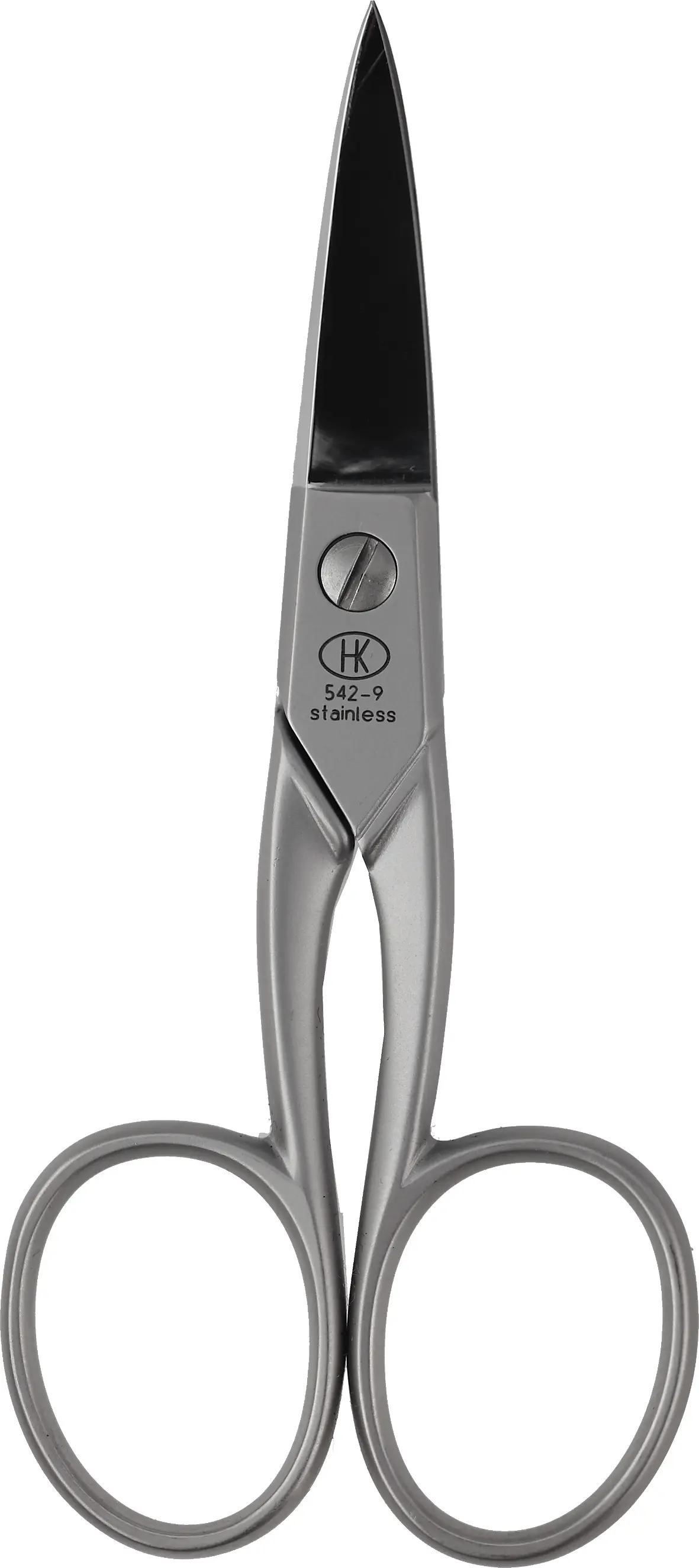
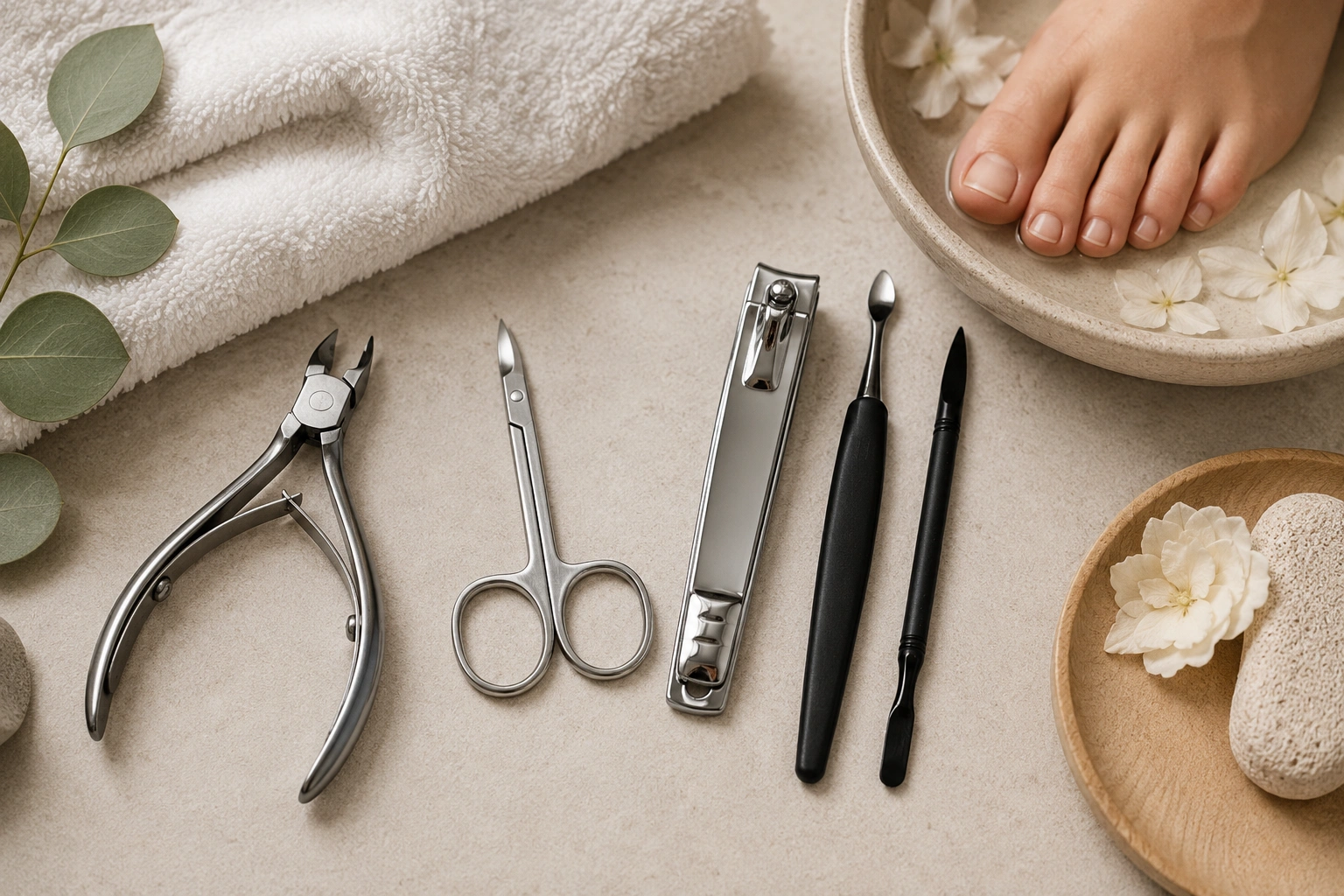
Choose nail grooming tools that feel precise and predictable in hand. Clean cuts, smooth edges, and balanced handling reduce stress on nails and make grooming calmer and more controlled.
This is where craftsmanship quietly matters. At Hans Kniebes, nail tools are designed with the understanding that precision supports nail health. Tools are not meant to overpower nails, but to work with their natural structure—an approach that mirrors professional practice.
Mistake: Grooming Too Often Without Recovery Time
More grooming does not equal better nails. Frequent trimming, filing, or manipulation prevents the nail plate from stabilizing and can slow healthy growth.
How to fix it:
Allow recovery time between grooming sessions. Nails respond better to consistency than constant correction. This restraint is often overlooked, yet it’s central to every professional healthy nails guide.
Mistake: Focusing on Appearance Instead of Nail Behavior
Glossy nails can still be weak. Many routines prioritize how nails look immediately after grooming, ignoring how they behave days later.
How to fix it:
Pay attention to nail response. Strong nails feel smooth days after care, resist splitting, and grow evenly. When behavior improves, appearance follows naturally—without extra effort.
Why Professionals Take a Slower, Smarter Approach
Professional nail care isn’t dramatic. It’s deliberate. The best results come from gentle techniques, quality tools, and respect for nail biology. This mindset is what separates rushed routines from effective ones.
Applying professional principles at home doesn’t require advanced skill—only awareness and patience.
Final Perspective
Most nail problems aren’t caused by what you don’t do, but by what you do without realizing its impact. Correcting common nail care mistakes leads to stronger nails without adding complexity to your routine.
With mindful habits, refined nail grooming tips, and tools that support precision rather than force, a proper nail care routine becomes simple, sustainable, and effective. Healthy nails are not the result of perfection—just better choices, made consistently.
FAQs
1. What are the most common nail care mistakes people make?
Common nail care mistakes include aggressive filing, cutting cuticles, overexposing nails to water, using poor-quality tools, and grooming nails too frequently without allowing recovery time.
2. How often should nails be trimmed or filed?
Nails should be trimmed or filed only as needed, usually every one to two weeks. Over-grooming can weaken the nail plate and slow healthy growth.
3. Is cutting cuticles bad for nail health?
Yes. Cutting cuticles can compromise the natural protective barrier of the nail, increasing the risk of irritation and infection. Gentle pushing after softening is a safer alternative.
4. Can water damage nails?
Yes. Frequent soaking causes nails to absorb and release moisture repeatedly, which can lead to brittleness, peeling, and weakened structure over time.
5. How do proper tools improve nail health?
High-quality nail tools provide clean cuts, better control, and reduced stress on the nail. Precision tools help prevent splitting, tearing, and micro-damage during grooming.
Related products