
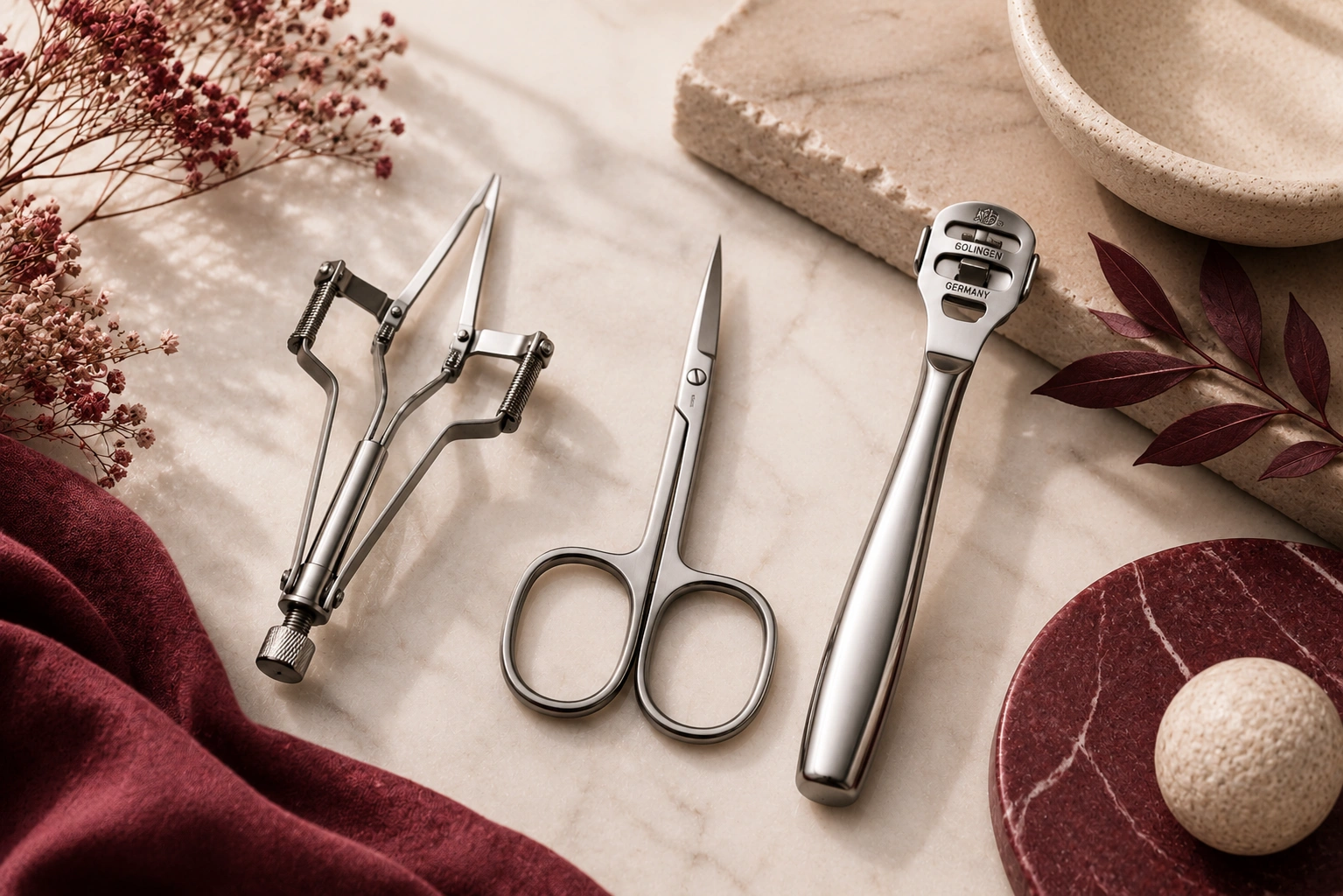
Skin care instruments have become an essential part of modern grooming routines. From facial rollers and exfoliating tools to precision instruments for detailed care, these tools promise better results—when used correctly. However, improper handling can do more harm than good. Mastering the safe use of skin care tools is what separates effective routines from uncomfortable mistakes.
Whether you’re refining an at-home skin care routine or aiming for results that feel closer to professional treatments, understanding technique, timing, and tool care is crucial.
Why Skin Care Instruments Deserve Respect
Unlike creams or serums, skin care instruments interact directly with the skin’s surface. Pressure, angle, and hygiene all influence outcomes. When used correctly, these tools can enhance circulation, improve absorption of products, and support healthier-looking skin. When misused, they can irritate the skin barrier or cause micro-damage.
Professional estheticians spend years learning how tools respond to different skin types. While at-home users don’t need advanced training, a mindful, informed approach is essential.
Start with Clean Skin and Clean Tools
The foundation of safe use of skin care tools is cleanliness. Using instruments on unclean skin pushes bacteria deeper into pores, increasing the risk of breakouts or irritation.
Before using any tool:
Cleanse the skin thoroughly
Ensure the instrument is clean and dry
Avoid using tools on broken or inflamed skin
Clean tools are just as important after use. Proper cleaning preserves hygiene and extends the life of professional skin care tools, even when used at home.
Pressure Control: Less Is Always More
One of the most common mistakes in at-home routines is applying too much pressure. Skin care instruments are designed to work with gentle guidance, not force.
Excessive pressure can:
Irritate sensitive skin
Cause redness or micro-tears
Reduce the effectiveness of the tool
Professionals rely on consistent, light movements rather than intensity. Adopting this approach at home ensures safer and more predictable results.
Understand the Purpose of Each Tool
Every instrument has a specific function. Using the wrong tool—or using a tool for the wrong purpose—can disrupt your routine rather than improve it.
Some tools support exfoliation, others focus on stimulation or product absorption. Combining tools thoughtfully prevents over-treatment and keeps the at-home skin care routine balanced.
When in doubt, fewer tools used correctly are better than many used inconsistently.
Timing Matters More Than Frequency
More frequent use does not always mean better results. Skin needs time to recover and respond. Overusing tools can weaken the skin barrier and lead to sensitivity.
A professional mindset prioritizes timing:
Use instruments on well-prepared skin
Allow recovery time between sessions
Adjust frequency based on skin response
Consistency paired with restraint leads to healthier, longer-lasting results.
Why Professional Techniques Translate Well at Home
What distinguishes professional skin care tools isn’t just their construction—it’s how they’re used. Professionals follow structured routines, maintain hygiene, and respect skin limits.
At-home users who adopt these habits often see better outcomes than those chasing quick results. Treating your routine with the same care and patience as a professional session transforms everyday grooming into a refined ritual.
Quality Tools Support Safe Results
Technique matters, but tool quality plays a major supporting role. Poorly finished instruments can scratch, pull, or irritate the skin. Well-crafted tools offer smooth surfaces, controlled edges, and predictable performance.
At Hans Kniebes, skin care instruments are designed with precision and longevity in mind. This focus on craftsmanship supports safer handling and more comfortable use—especially important for those building a consistent home routine.
Quality tools don’t force results; they support them.
Aftercare Is Part of the Process
Using skin care instruments doesn’t end when the tool is put away. Aftercare helps calm the skin and
protect the benefits of treatment.
Post-use steps often include:
Applying soothing or hydrating products
Avoiding harsh actives immediately afterward
Giving skin time to rest
This professional habit ensures that results feel comfortable rather than overwhelming.
Building Confidence Through Knowledge
Confidence in grooming doesn’t come from using more tools—it comes from understanding them. Learning how to use skin care instruments properly builds trust in your routine and reduces the risk of mistakes.
Over time, this knowledge creates a routine that feels intuitive, controlled, and effective—qualities usually associated with professional care.
Final Perspective
Using skin care instruments like a pro isn’t about complexity. It’s about awareness, patience, and respect for the skin. With the safe use of skin care tools, a well-planned at-home skin care routine can deliver results that feel refined rather than rushed.
By choosing quality instruments, applying professional techniques, and prioritizing skin health, everyday grooming becomes safer, more effective, and deeply satisfying.
FAQs
1. What are skin care instruments used for?
Skin care instruments are used to support exfoliation, improve circulation, enhance product absorption, and refine overall skin care results when used correctly.
2. How can I use skin care tools safely at home?
For the safe use of skin care tools, always start with clean skin and tools, apply light pressure, and avoid using instruments on irritated or broken skin.
3. Are professional skin care tools suitable for at-home routines?
Yes. Professional skin care tools can be safely used at home when proper technique, hygiene, and frequency guidelines are followed.
4. How often should skin care instruments be used?
Frequency depends on the tool and skin type, but most instruments should be used sparingly. Overuse can lead to irritation, so recovery time is essential.
5. What mistakes should be avoided when using skin care instruments?
Common mistakes include using too much pressure, skipping cleaning steps, and using tools too frequently. A balanced at-home skin care routine delivers better results than aggressive use.