
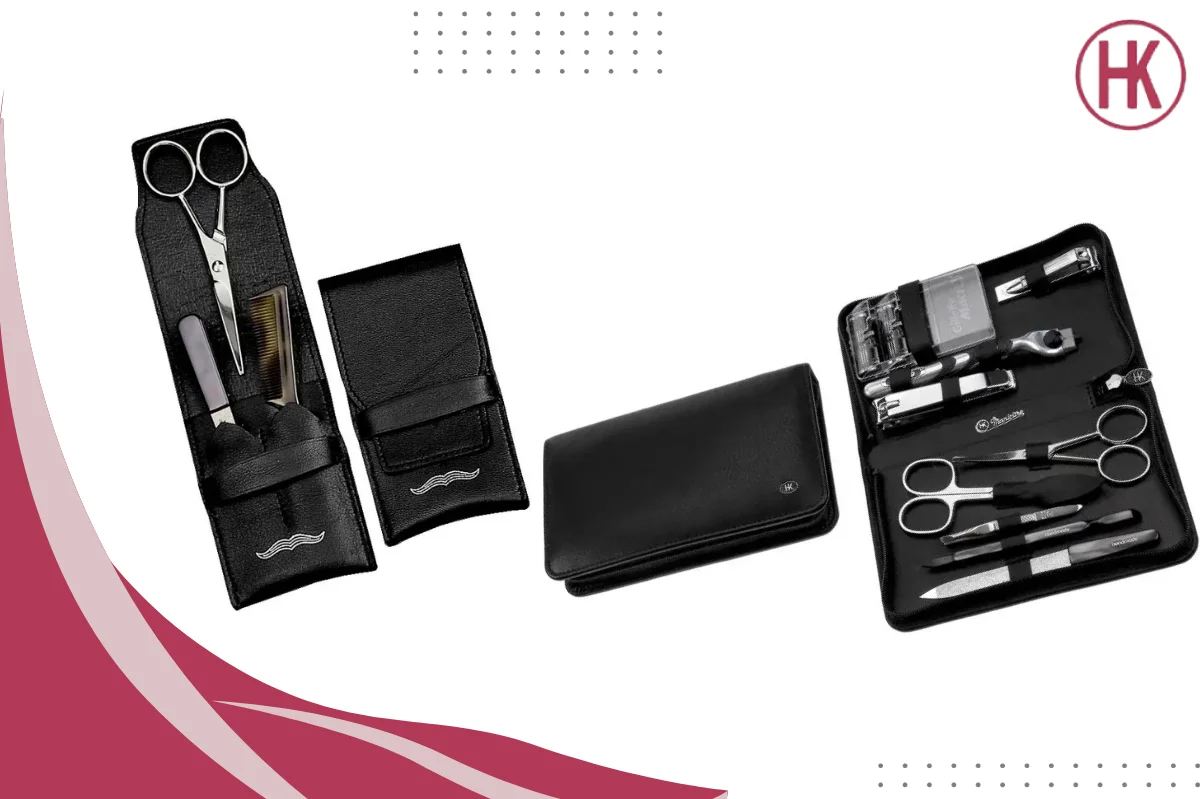
High-quality grooming tools are designed to last—but even the finest instruments can deteriorate if they’re stored incorrectly. Rust, dull edges, stiff joints, and surface wear are often not signs of poor craftsmanship, but of improper care. Understanding grooming tool care begins with knowing how to store your tools safely and correctly.
At Hans Kniebes, grooming instruments are crafted for long-term use. With the right storage habits, these tools can maintain their precision, hygiene, and appearance for years—sometimes decades.
Why Proper Storage Matters More Than You Think
Most grooming tools are made from stainless steel, but “stainless” does not mean immune. Moisture, humidity, and air exposure can still lead to corrosion over time. Improper storage also causes tools to rub against each other, dulling edges and weakening alignment.
Good grooming tools storage protects:
Cutting precision
Surface finish
Hygiene and cleanliness
Mechanical smoothness
In short, storage is not just about organization—it’s about preservation.
Moisture: The Biggest Enemy of Grooming Tools
If there’s one factor responsible for most damage, it’s moisture. Storing tools while they’re even slightly damp is one of the fastest ways to invite rust.
After each use:
Rinse tools if needed
Dry them thoroughly with a soft cloth
Pay attention to joints, springs, and hinges
This simple step alone dramatically improves rust-free grooming tools longevity.
Avoid Open-Air Storage in Bathrooms
Bathrooms may seem convenient, but they are one of the worst places for grooming tools. Steam from showers creates constant humidity, even when tools aren’t in direct contact with water.
For how to store grooming tools correctly:
Avoid leaving tools on open shelves near sinks
Do not store them uncovered in drawers exposed to moisture
Choose enclosed, protective storage instead
A dry environment is essential for preventing corrosion and wear.
Why Protective Cases Make a Difference
One of the most effective ways to practice proper grooming tool maintenance is by storing tools in dedicated cases. A good case prevents:
Moisture exposure
Dust buildup
Tools knocking against each other
Leather or fabric-lined cases also cushion tools, protecting fine edges and polished surfaces.
This is why grooming sets from Hans Kniebes are often paired with structured cases—storage is considered part of the tool’s lifecycle, not an afterthought.
Separate Tools to Prevent Wear
Storing multiple tools loosely together causes friction. Scissors bump into clippers, nippers rub against files, and edges dull faster than expected.
For preventing wear on grooming tools:
Keep tools in individual slots or sleeves
Avoid stacking metal tools directly together
Use blade covers where available
This separation preserves sharpness and alignment, especially for precision instruments.
Temperature and Environment Matter
Extreme temperatures and fluctuating conditions can affect metal over time. Avoid storing grooming tools:
Near radiators or heating vents
In cars for extended periods
In damp basements or laundry areas
Stable, room-temperature storage supports long-term stainless steel grooming tools care.
Regular Checks Prevent Long-Term Damage
Even with proper storage, periodic inspection helps catch issues early. Every few weeks:
Check for moisture or condensation
Inspect joints for stiffness
Lightly oil hinges if needed
These small habits reinforce overall grooming tool care and prevent minor issues from becoming permanent damage.
Storage Is Part of Responsible Grooming
Well-maintained tools don’t just last longer—they perform better and feel safer to use. Clean cuts, smooth motion, and hygienic surfaces all depend on how tools are stored between uses.
Quality tools deserve quality care. Proper storage ensures that your grooming routine remains consistent, comfortable, and reliable.
Final Thoughts
Knowing how to store grooming tools correctly is one of the simplest yet most effective ways to protect your investment. Drying tools thoroughly, avoiding humidity, using protective cases, and separating instruments all play a role in preventing rust and wear.
With thoughtful grooming tools storage and regular care, premium instruments from Hans Kniebes maintain their precision, hygiene, and elegance over time—just as they were designed to.
Good grooming doesn’t end with use. It continues with care.
FAQs
1. How should grooming tools be stored to prevent rust?
Grooming tools should be dried thoroughly after use and stored in a dry, enclosed space away from humidity. Using protective cases helps prevent moisture exposure and rust formation.
2. Can stainless steel grooming tools still rust?
Yes. While stainless steel is resistant to corrosion, prolonged exposure to moisture and humidity can still cause rust if tools are not dried and stored properly.
3. Is it safe to store grooming tools in the bathroom?
Bathrooms are not ideal for grooming tools due to constant humidity from showers. For better grooming tool care, store tools in a dry area outside the bathroom whenever possible.
4. Why is separating grooming tools important during storage?
Storing tools separately prevents metal-on-metal contact, which can dull cutting edges, damage finishes, and reduce tool lifespan.
5. How often should I check stored grooming tools?
It’s good practice to inspect grooming tools every few weeks for moisture, stiffness, or signs of wear. Regular checks help maintain rust-free grooming tools and long-term performance.