In traditional wet shaving, comfort is rarely determined by the razor alone. The quality of the lather, the moisture balance on the skin, and the ability of the brush to regulate hydration all shape the outcome. At Hans Kniebes, we approach shaving comfort as a controlled interaction between water, soap, and skin.
At the center of this interaction lies one essential factor: water retention shaving brush capability. Without sufficient water retention, lather collapses. With excess water release, it becomes thin and unstable. True shaving brush performance depends on the brush’s ability to hold, distribute, and release moisture in measured balance.
Why Water Retention Determines Shaving Comfort
Shaving comfort begins before the blade touches the skin. Proper lather hydration softens beard hair, reduces friction, and creates a protective cushion between razor and surface.
A shaving brush that retains water effectively ensures that hydration is gradually transferred into the shaving soap or cream. This allows the lather to develop density, elasticity, and glide. In a refined wet shaving experience, hydration must remain consistent from the first stroke to the final pass.
Poor water retention results in dry, airy foam. Excess release creates runny lather that fails to protect. Precision lies in balance.
The Science Behind Shaving Brush Performance
The structure of a shaving brush knot determines its water retention capacity. Natural hair fibers, particularly high-grade badger hair, contain microscopic channels that trap moisture. These channels enable gradual release during circular lathering motions.
This controlled hydration supports:
Stable foam structure
Improved razor glide
Reduced post-shave irritation
Enhanced skin preparation
In professional wet shaving tools, shaving brush performance is measured not only by softness but by how consistently water is retained and redistributed during use.
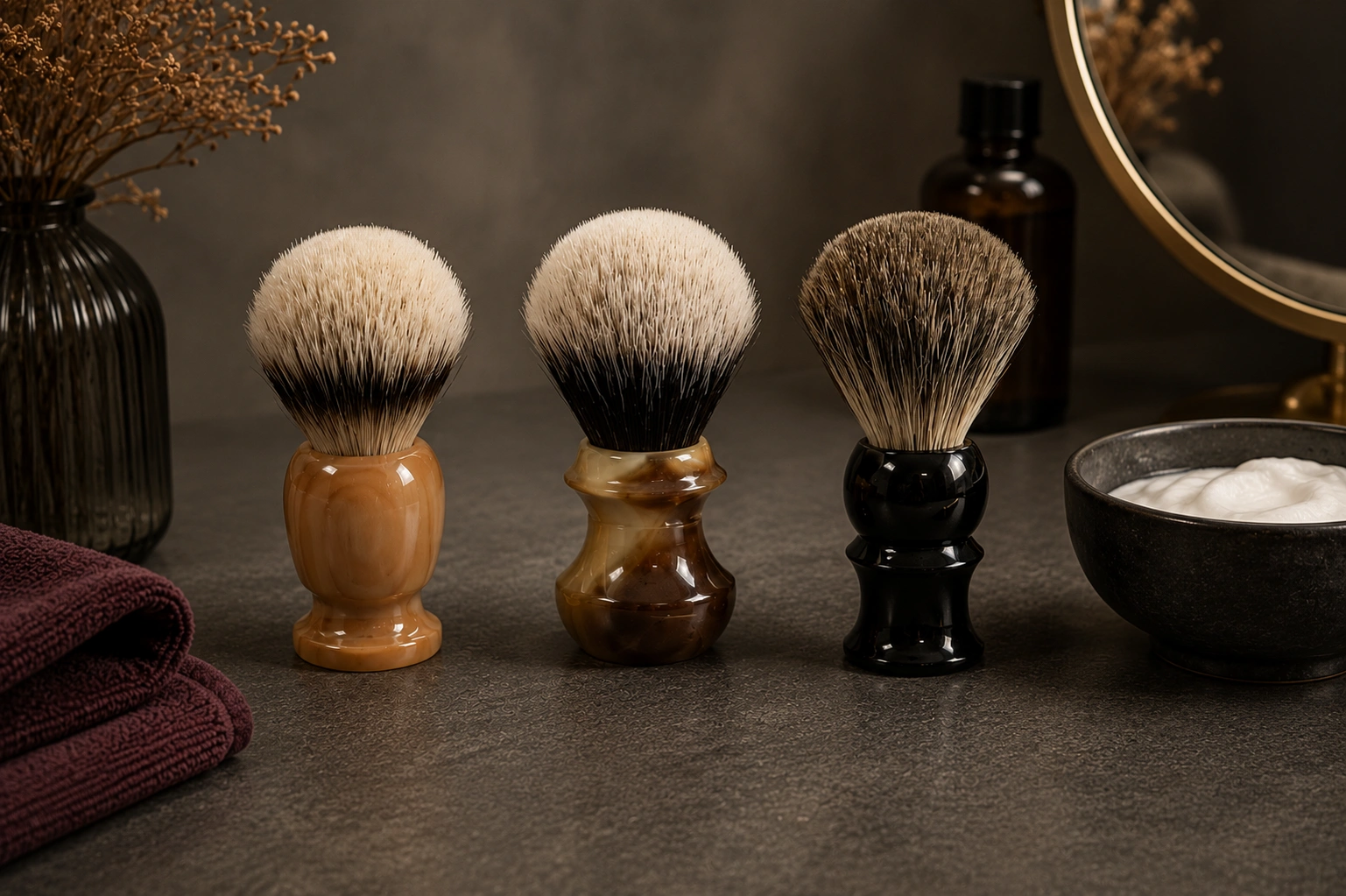
Silvertip badger hair, known for its superior absorbency, allows the brush to carry optimal hydration into the shaving bowl. This contributes directly to a smoother wet shaving experience and sustained lather hydration across multiple passes.
Lather Hydration and Beard Preparation
Beard hair is coarse and resilient. Without adequate moisture, cutting requires greater blade pressure. Hydrated lather softens hair fibers, making them easier to trim cleanly.
When water retention shaving brush quality is insufficient, hydration evaporates quickly. The result is increased drag and potential skin irritation. Conversely, a properly balanced brush maintains moisture density, allowing the razor to glide effortlessly.
Shaving comfort, therefore, is not accidental. It is the result of controlled hydration delivery.
German engineering in grooming instruments emphasizes this balance. The interaction between knot density, fiber length, and water retention capacity is calibrated to optimize lather stability without oversaturation.
The Role of Material in Water Retention
Not all shaving brushes are equal in hydration performance. Synthetic fibers may dry quickly, offering lower moisture retention. Premium natural hair brushes, particularly silvertip badger, are structured to hold and regulate water more effectively.
At Hans Kniebes, we prioritize material selection when designing professional shaving accessories. The density and elasticity of the knot are developed to enhance shaving brush performance while ensuring ergonomic control.
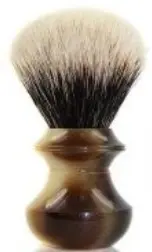
An example of this craftsmanship is our silvertip badger shaving brush, crafted with genuine silvertip badger hair and engineered for optimal water absorption, this brush maintains consistent lather hydration while delivering a soft yet structured application on the skin. The balanced knot density supports even moisture release, enhancing the overall wet shaving experience and improving shaving comfort with every stroke.
Here, water retention is not incidental. It is integrated into the brush’s structural design.
Controlled Hydration as a Performance Standard
In traditional shaving culture, comfort and precision are inseparable. A well-hydrated lather protects the epidermis, cushions blade movement, and minimizes friction.
Professional grooming brushes must therefore regulate moisture intelligently. Excessive hydration compromises lather density. Insufficient retention undermines protection. The objective is equilibrium.
Solingen craftsmanship and German-made grooming tools are recognized for precision engineering, and shaving instruments are no exception. By aligning material selection, knot structure, and ergonomic balance, shaving brush performance becomes predictable and repeatable.
Elevating the Wet Shaving Experience Through Precision
Shaving comfort is achieved through preparation. Lather hydration softens hair, supports razor glide, and reduces irritation risk. The role of water retention shaving brush quality cannot be overstated; it governs how effectively hydration is transferred and maintained.
At Hans Kniebes, we design professional shaving tools with this principle in mind. Water retention is calibrated, not assumed. Through carefully selected materials and balanced construction, our brushes transform the wet shaving experience into a controlled, comfortable ritual rooted in German precision.
In shaving, moisture management defines performance. And performance defines comfort.
FAQs
1. Why is water retention important in a shaving brush?
Water retention allows the brush to build dense, stable lather and maintain proper hydration for improved shaving comfort and razor glide.
2. Does a badger shaving brush hold more water than synthetic?
Yes, high-quality badger hair, especially silvertip, retains more water, supporting better lather hydration and overall shaving brush performance.
3. How does lather hydration improve the wet shaving experience?
Proper lather hydration softens beard hair, reduces friction, and creates a protective cushion that enhances the wet shaving experience.
4. What makes a shaving brush perform better?
Knot density, hair quality, and water retention capacity directly affect shaving brush performance and lather consistency.
5. Can poor lather cause shaving irritation?
Yes, dry or unstable lather increases blade drag, which can lead to irritation and reduced shaving comfort.
Related products